
Le Locle, Switzerland
Nivarox-FAR
Partially verifiedHairsprings and regulating components
History
Principal Swiss manufacturer of hairsprings and escapement components.
Nivarox-FAR was formed in 1984 through the merger of Nivarox SA and the company Fabriques d'Assortiments Réunies (FAR), which had been established in Le Locle in 1932. The company specializes in the production of hairsprings and escapement components that are used in mechanical watch movements. The firm operates under the Swatch Group, which acquired the manufacturer as part of its consolidation of Swiss watch component companies. Reinhard Straumann developed the Nivarox alloy in 1933, which became a foundational technology for the company's hairspring products.
The extended history summarises the open references listed under Sources; each statement was checked against the cited passage. Confirm key dates in period documents before relying on them.
Timeline
Nivarox-FAR's recorded dates, dated events from this profile and its sources, and dated pieces and sales from the object catalogue. Dates are as each record gives them.
1933 · Career
Reinhard Straumann developed the Nivarox alloy in 1933, which became a foundational technology for the company's hairspring products.
1984 · Career
Nivarox-FAR was formed in 1984 through the merger of Nivarox SA and the company Fabriques d'Assortiments Réunies (FAR), which had been established in Le Locle in 1932.
Current watchmaking & later fate
- Nivarox-FAR operates today as a production facility for regulating components within the Swatch Group.
As stated in the references listed under Sources, retrieved 2026-10-27. Ownership and collections change; check the maker's own announcements for the latest position.
Key models
- Nivarox alloy
- Developed in 1933, this nickel-iron alloy is used in the watch industry for hairsprings to reduce errors caused by temperature variation.
Major innovations
- The company produces the Nivarox alloy, a nickel-iron metallic compound characterized by a constant coefficient of elasticity regardless of temperature variations.
Known markings
- 'Nivarox'
- Nivarox is the primary trade name used for the company's metallic alloys and products.
Serial numbers
This archive holds no verified serial-number table for this maker. Do not date a piece from its serial number alone; use case hallmarks, movement construction, trade directories and documented comparison examples.
Collecting significance
Originality of dial, hands, case and movement is the main consideration. Confirm that the movement belongs to the case and that the dial has not been refinished, and record what is verified separately from what is inferred.
Identification and dating notes
- Products bearing the Nivarox name indicate components made from the company's temperature-stable nickel-iron alloy.
Photographs
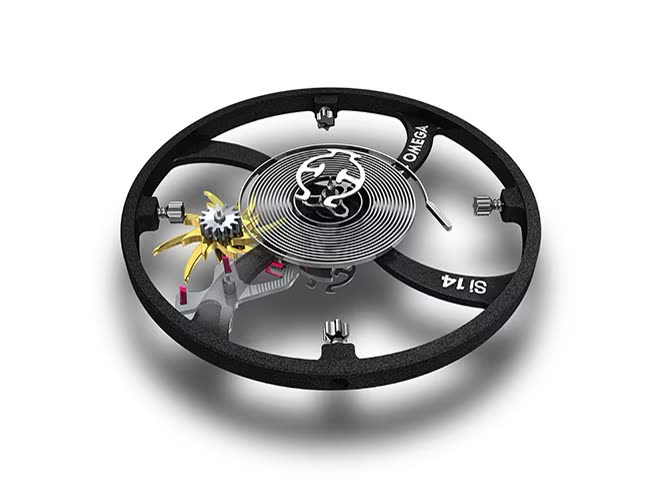
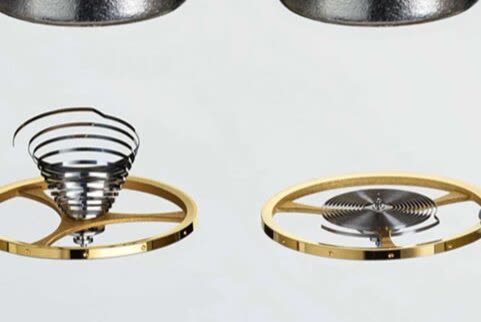
Photographs are illustrative examples of the type, not necessarily the exact object described. Verify details against the source file page.
Sources & references
- Nivarox, Wikipedia (English), retrieved 2026-10-27 (text CC BY-SA 4.0)
- Swatch Group, Wikipedia (German), retrieved 2026-10-27 (text CC BY-SA 4.0)
- Assortiment (horlogerie), Wikipedia (French), retrieved 2026-10-27 (text CC BY-SA 4.0)
- Société de microélectronique et d'horlogerie, Wikipedia (French), retrieved 2026-10-27 (text CC BY-SA 4.0)
- Kathleen H. Pritchard, Swiss Timepiece Makers 1775–1975
- Brian Loomes, Watchmakers and Clockmakers of the World
- Mikrolisk trademark and maker index
- Published trade directories and period material catalogues
Where sources disagree, the disagreement is stated rather than resolved silently.