
Paris, France
Margaine
Partially verifiedCarriage clocks
History
Paris maker of carriage clocks including repeating examples.
François Arsène Margaine established himself as a prominent Parisian watchmaker, gaining renown as a specialist in carriage clocks and officers' clocks during the Belle Époque. The firm operated from several addresses in Paris, including locations on Rue de Turenne, Rue St.-Denis, and Rue du Faubourg Poissonnière. The business achieved significant recognition at international exhibitions, securing a silver medal in 1889 and a gold medal in 1900. The firm was eventually acquired by Maison Doffe in 1907 following the death of Auguste Hilaire Rodanet, after which the business saw further ownership changes.
The extended history summarises the open references listed under Sources; each statement was checked against the cited passage. Confirm key dates in period documents before relying on them.
Timeline
Margaine's recorded dates, dated events from this profile and its sources, and dated pieces and sales from the object catalogue. Dates are as each record gives them.
1889 · Career
The business achieved significant recognition at international exhibitions, securing a silver medal in 1889 and a gold medal in 1900.
1907 · Career
The firm was eventually acquired by Maison Doffe in 1907 following the death of Auguste Hilaire Rodanet, after which the business saw further ownership changes.
Current watchmaking & later fate
Recorded as ceased: 20th century. Later use of the name by another firm, if any, is not covered here.
Key models
- Reiseuhren
- François Arsène Margaine was a well-known Parisian manufacturer of these travel clocks during the Belle Époque period.
Known markings
- 'A.M.' mark
- The company identified its timepieces with a trademark depicting a beehive accompanied by the initials A.M.
Serial numbers
This archive holds no verified serial-number table for this maker. Do not date a piece from its serial number alone; use case hallmarks, movement construction, trade directories and documented comparison examples.
Collecting significance
Originality of dial, hands, case and movement is the main consideration. Confirm that the movement belongs to the case and that the dial has not been refinished, and record what is verified separately from what is inferred.
Identification and dating notes
- Identifying clocks from the Margaine workshop may be aided by the maker's recorded presence at Rue de Bondy between 1904 and 1914.
Photographs
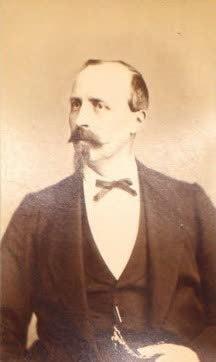
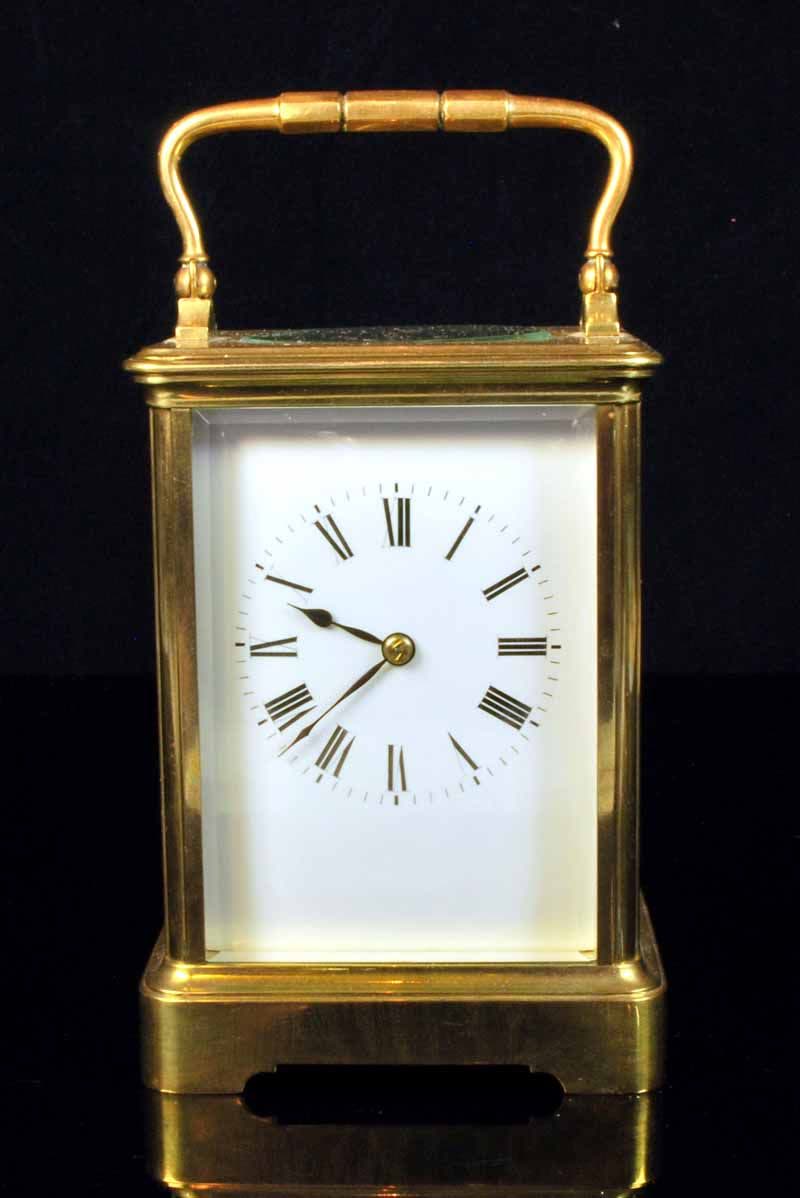
Photographs are illustrative examples of the type, not necessarily the exact object described. Verify details against the source file page.
Sources & references
- Margaine, Francois Arsène, Watch-Wiki, retrieved 2026-10-27
- Brian Loomes, Watchmakers and Clockmakers of the World
- Mikrolisk trademark and maker index
- Published trade directories and period material catalogues
Where sources disagree, the disagreement is stated rather than resolved silently.