
Lancaster, Pennsylvania, United States
Keystone Standard Watch Company
Partially verifiedWatches with dust-proof cases
History
A Lancaster predecessor whose plant later became Hamilton's.
The Keystone Standard Watch Company was founded in Lancaster, Pennsylvania, in 1886 by Abram Bitner after he purchased the factory previously used by the Lancaster Watch Company. The firm specialized in timepieces featuring a patented dust-proof design that utilized a small mica window to protect the movement. Following a period of operation, the company declared bankruptcy and its assets were sold at a public auction in 1892.
The extended history summarises the open references listed under Sources; each statement was checked against the cited passage. Confirm key dates in period documents before relying on them.
Timeline
Keystone Standard Watch Company's recorded dates, dated events from this profile and its sources, and dated pieces and sales from the object catalogue. Dates are as each record gives them.
1886 · Career
Founded (Lancaster, Pennsylvania)
1886 · Career
The Keystone Standard Watch Company was founded in Lancaster, Pennsylvania, in 1886 by Abram Bitner after he purchased the factory previously used by the Lancaster Watch Company.
1890 · Career
Ceased trading under this name
1892 · Career
Following a period of operation, the company declared bankruptcy and its assets were sold at a public auction in 1892.
Current watchmaking & later fate
Recorded as ceased: 1890. Later use of the name by another firm, if any, is not covered here.
Major innovations
- The company developed a patented dust-proof design using a mica window to seal the movement plate.
Known markings
- 'Keystone Standard'
Serial numbers
This archive holds no verified serial-number table for this maker. Do not date a piece from its serial number alone; use case hallmarks, movement construction, trade directories and documented comparison examples.
Collecting significance
Originality of dial, hands, case and movement is the main consideration. Confirm that the movement belongs to the case and that the dial has not been refinished, and record what is verified separately from what is inferred.
Where sources differ
- Closure or end of production: this record gives “1890”; a cited source gives “1891”. The record is kept until the difference is resolved from period documents.
Photographs
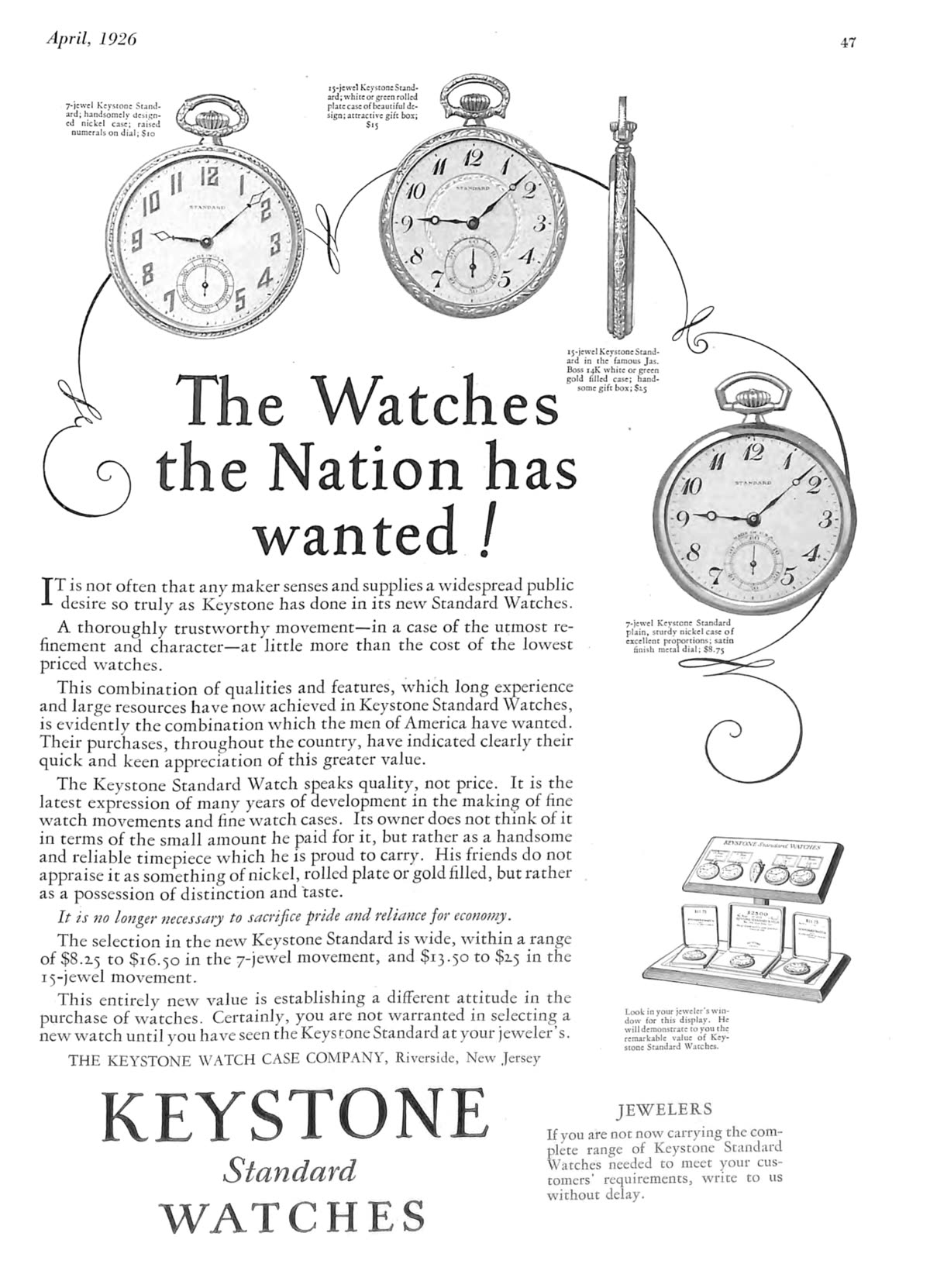
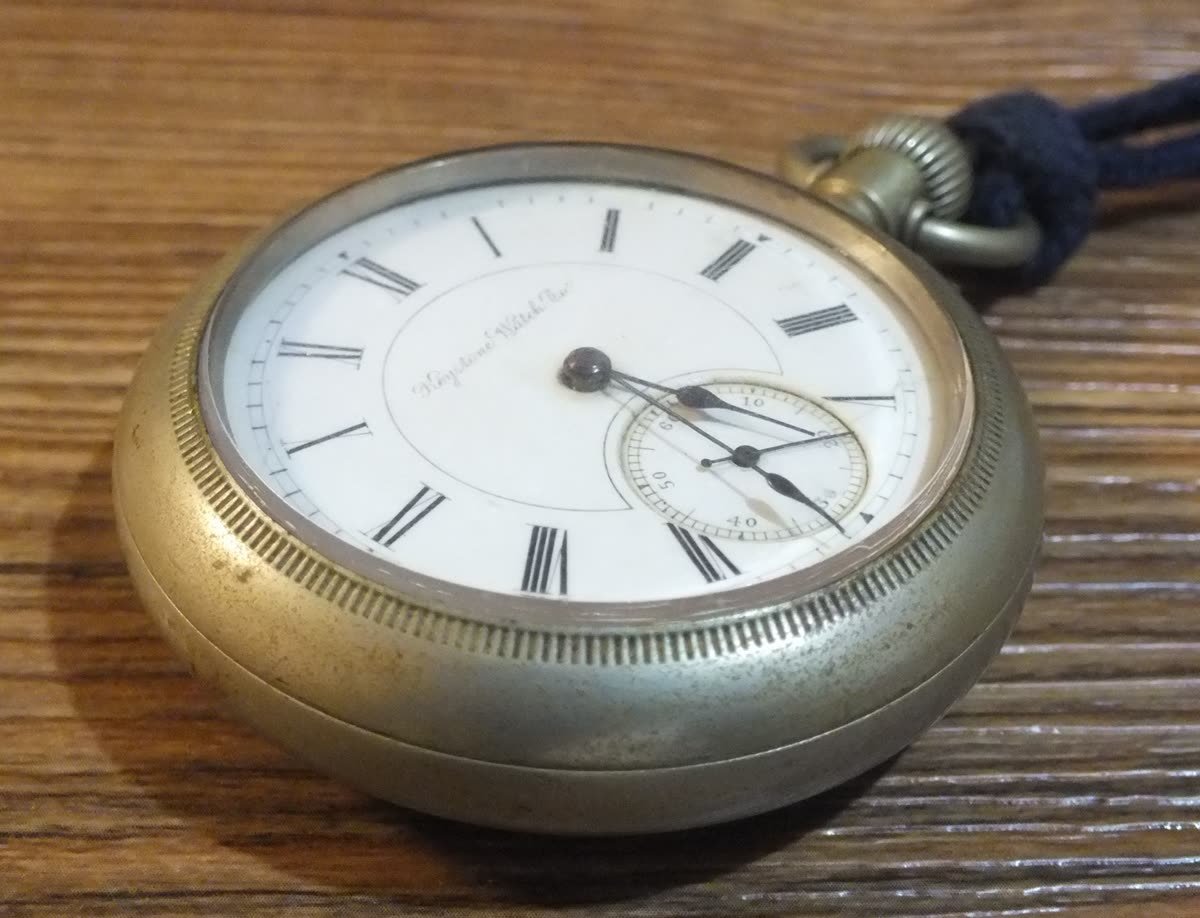
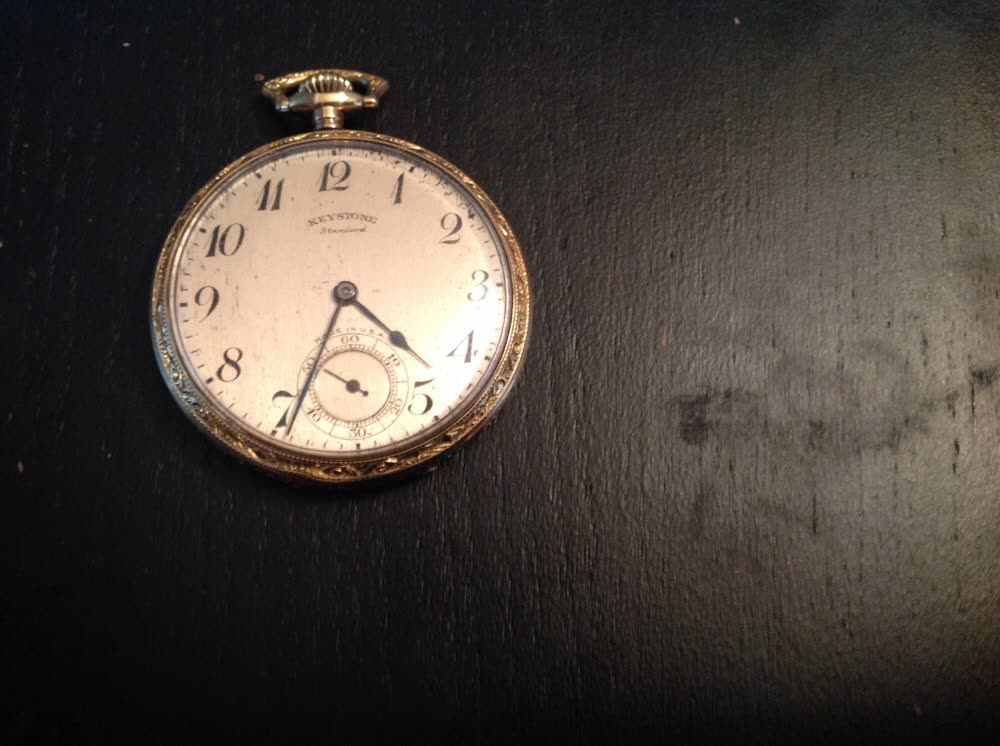
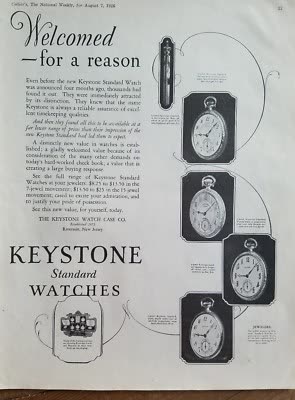
Photographs are illustrative examples of the type, not necessarily the exact object described. Verify details against the source file page.
Sources & references
- Hamilton Watch Company, Wikipedia (English), retrieved 2026-10-27 (text CC BY-SA 4.0)
- Hamilton Watch Complex, Wikipedia (English), retrieved 2026-10-27 (text CC BY-SA 4.0)
- Brian Loomes, Watchmakers and Clockmakers of the World
- Mikrolisk trademark and maker index
- Published trade directories and period material catalogues
Where sources disagree, the disagreement is stated rather than resolved silently.