
Frictional rest escapement
Cylinder (horizontal) escapement
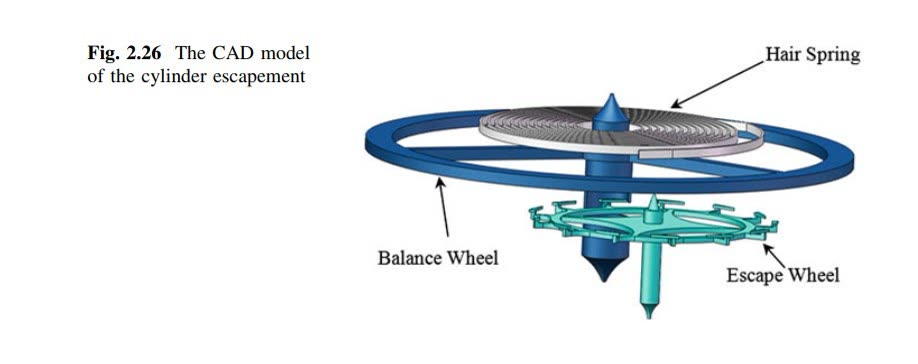
VerifiedRaised escape-wheel teeth enter a cut-away cylinder on the balance staff, impulsing on entry and exit while resting against the cylinder wall between.
Schematic arrangement
How it is laid out
Outline schematic only, drawn to show the characteristic arrangement of wheel, locking member and oscillator. It is not a dimensioned working drawing and should not be used for setting up or repairing a movement.
Advantages
- Permits very thin movements
- Fewer parts than a lever
Drawbacks
- Rapid wear
- Sensitive to lubrication
- Still a frictional rest design
Attribution and period
Early eighteenth century, associated with George Graham
Horological firsts are frequently contested. Where an invention is attributed to a named maker, that attribution is recorded as such rather than treated as settled fact.
How to recognise it
- A flat escape wheel with raised, wedge-shaped teeth standing above the wheel's plane.
- No pallet fork: the escape wheel acts directly on a slit steel or ruby cylinder forming part of the balance staff.
- Commonly found in thin Swiss and French watches and in nineteenth-century ladies' watches.
Servicing and conservation
The cylinder shell is thin and cracks or wears at the lip; replacement cylinders for a specific calibre are often unobtainable, so a sound original should be conserved rather than replaced. Over-oiling accelerates wear at the frictional rest surfaces.
Work on an antique escapement by a qualified watchmaker or clockmaker. Conservation of original parts is preferred to replacement wherever the object will still run.
Bibliography
- Gazeley, W. J., Clock and Watch Escapements
- Cutmore, M., Watches 1850–1980
Photographs
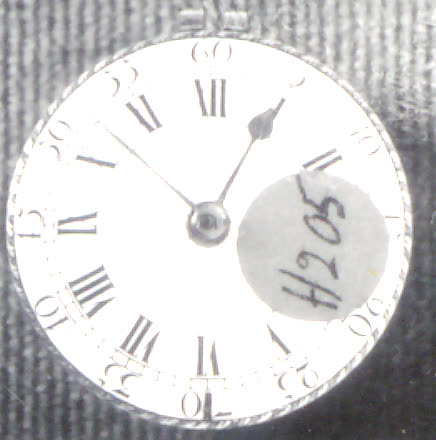
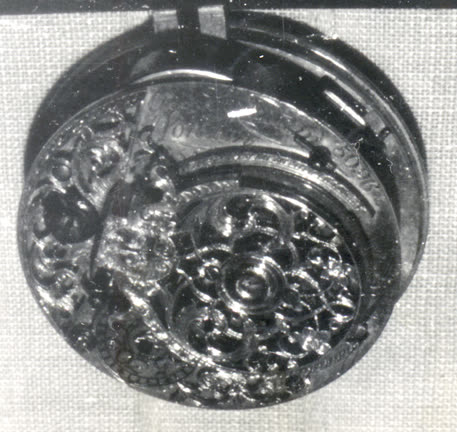
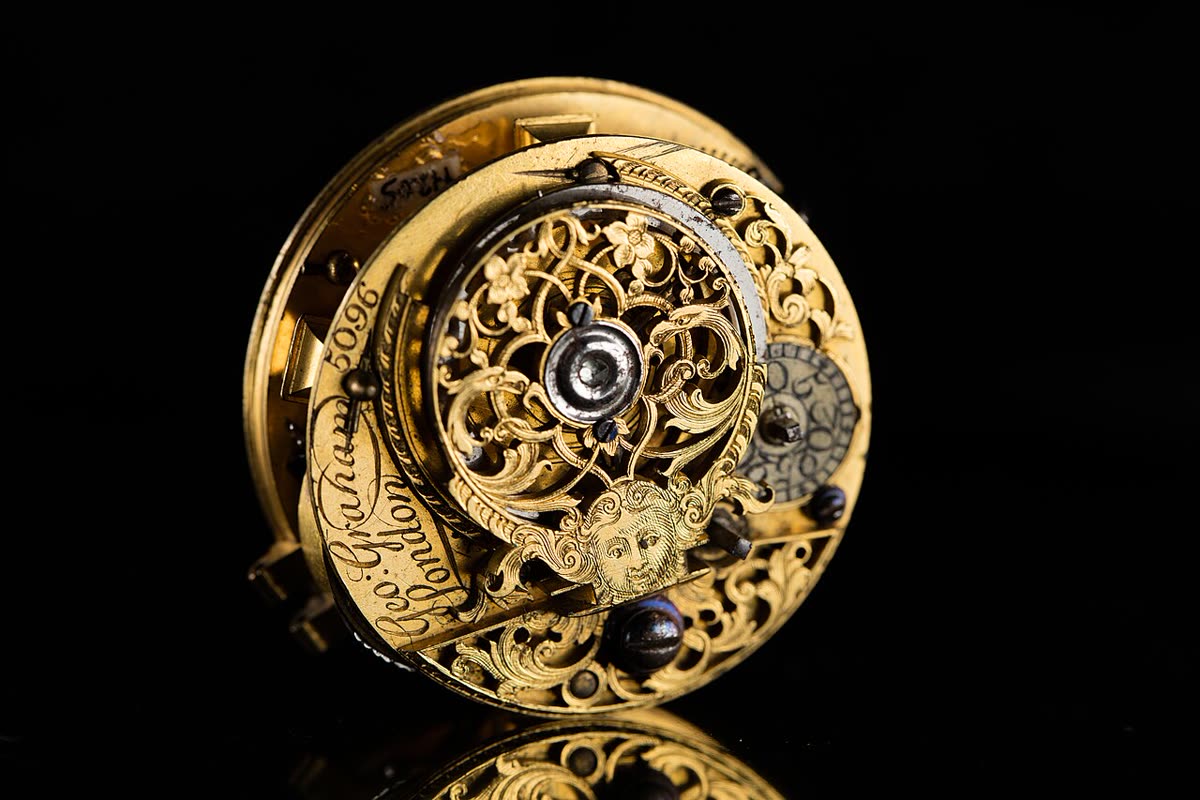
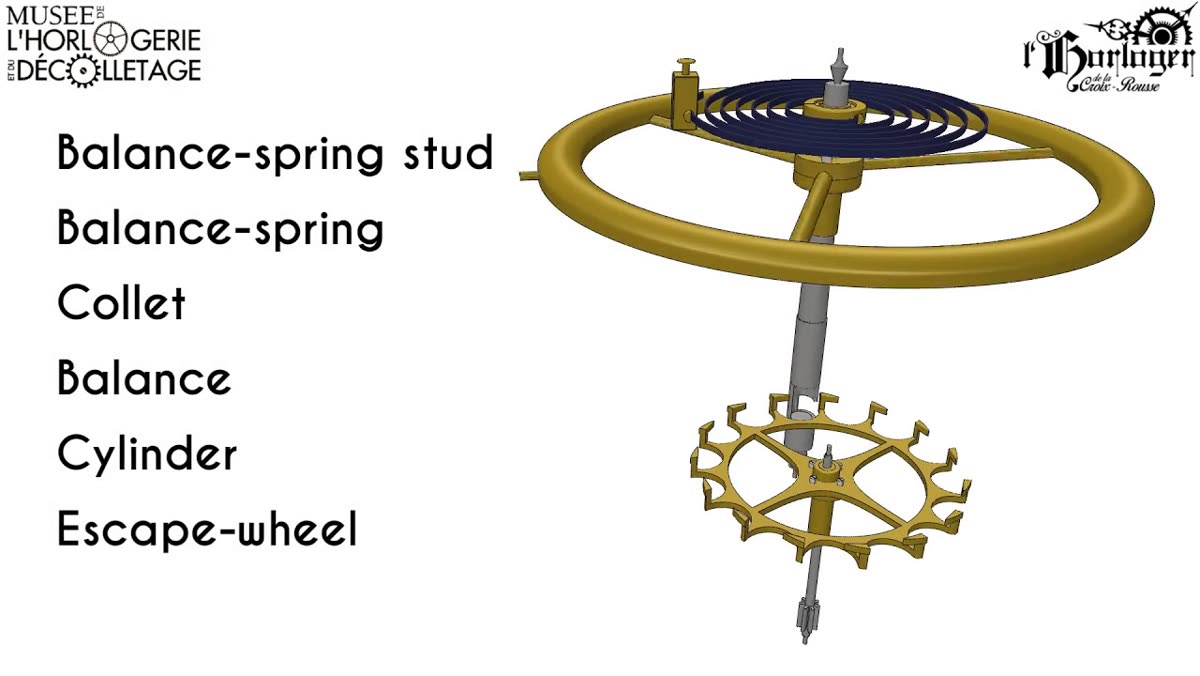
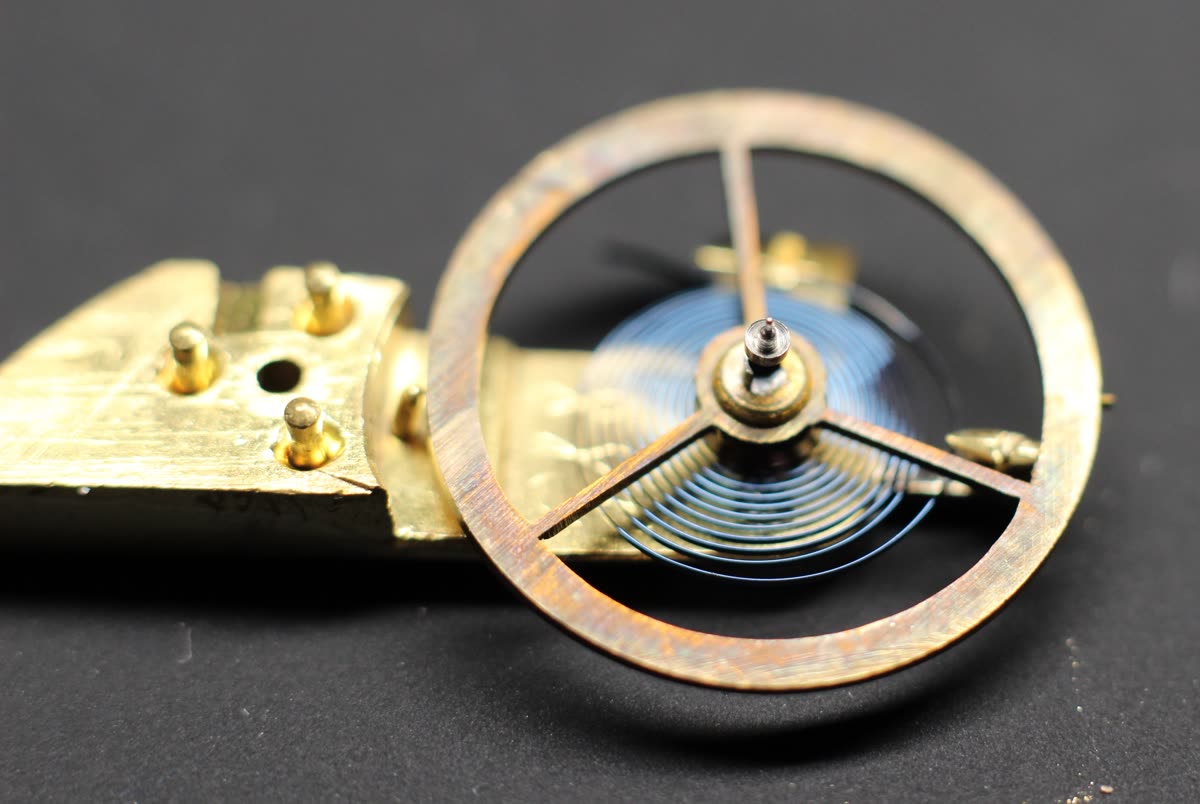
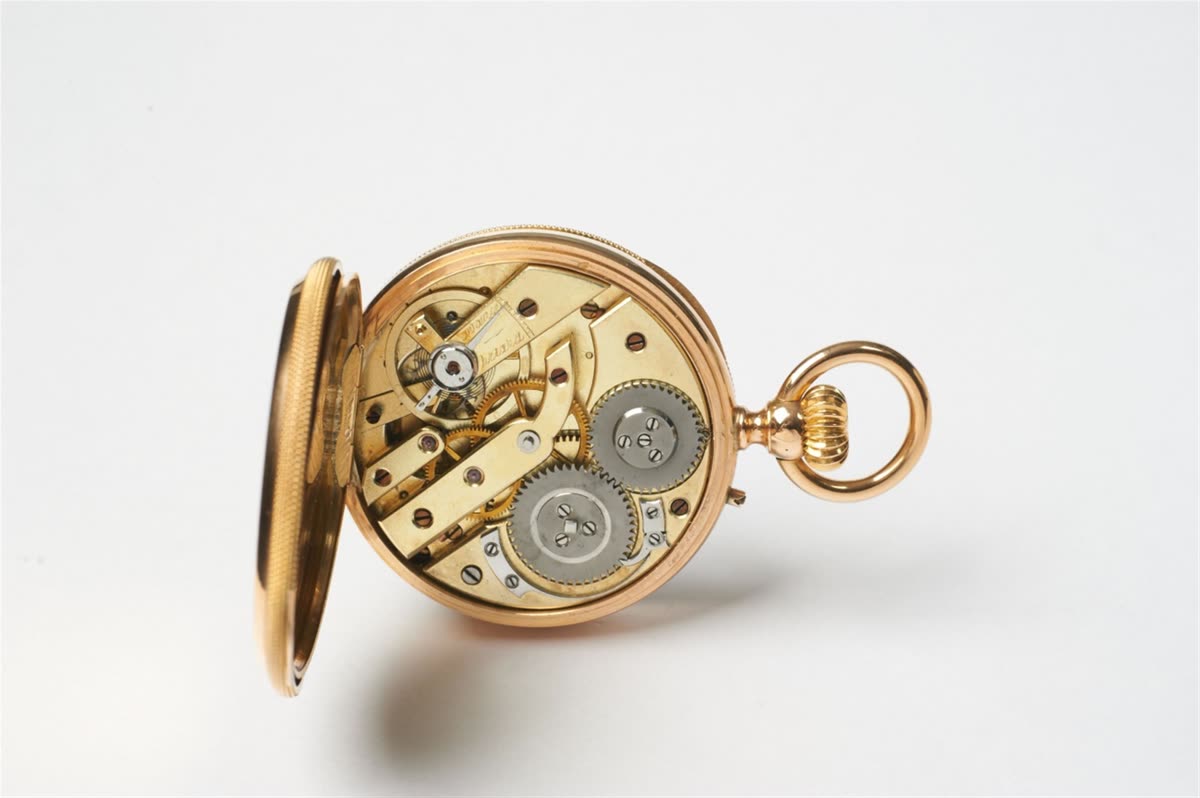
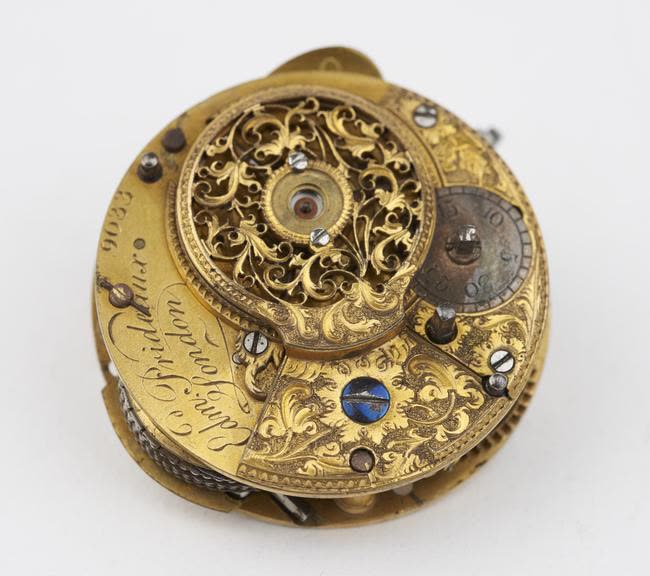
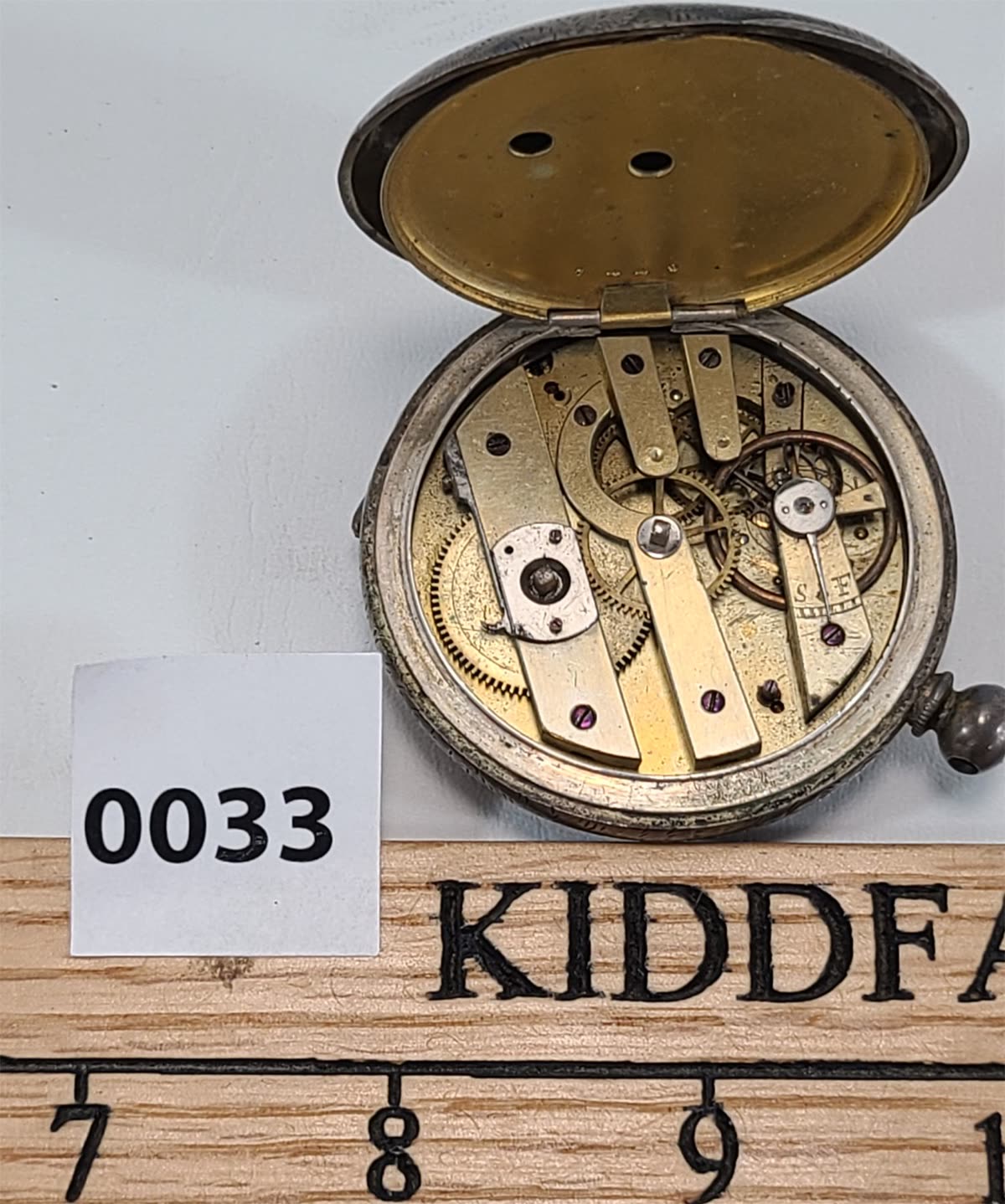
Photographs are matched automatically from freely licensed Wikimedia Commons material. Each caption states the actual subject of the image and credits its author; where a close match for this escapement does not exist, a related mechanism may be shown instead.