
Complication · Timing
Independent Winding
Partially verifiedA movement with two separate barrels and trains, one for timekeeping and one for complications.
Definition
A movement with two separate barrels and trains, one for timekeeping and one for complications.
Historical origin
Ensures that operating a complication (like an alarm or strike) does not drain the energy needed for timekeeping.
How it works
Two crowns or a single crown that winds in two directions.
Two separate power reserve indicators are often present.
Pocket watch context
Found in 'Grande Sonnerie' and 'Chime' pocket watches.
Wristwatch context
Found in the Jaeger-LeCoultre 'Duometre' series.
Identification
- Two power reserve scales
- Winding in both directions
Servicing notes
The two trains are usually synchronized by a shared escapement but powered separately.
General guidance only. Complicated mechanisms should be assessed and serviced by a qualified watchmaker or clockmaker specialist, not adjusted at home.
Background
Jaeger-LeCoultre developed the Duomètre mechanism, patented in 2007, to address the challenge of maintaining accurate timekeeping while operating complications. This dual-wing system functions by utilizing two separate power supplies and gear trains linked by a single regulating organ. One gear train is dedicated entirely to timekeeping, while the second gear train manages additional complications. According to The Hour Markers, the single oscillator releases energy in turn from each barrel, so neither amplitude nor power reserve is affected by the drain of the extra complications and displays.
Written from the sources listed under Sources (makers, museums, auction houses and specialist publications are paraphrased, not reproduced); each statement was checked against the cited text, and claims a maker makes about its own work are attributed to it.
Construction and action
- A triangular dial arrangement on the collection's watches directly expresses the underlying configuration of the two barrels and gear trains.
Use and later history
- Jaeger-LeCoultre was inspired by an 1880s minute repeating chronometer pocket watch created by Victorin Émile Piguet.
Related photographs

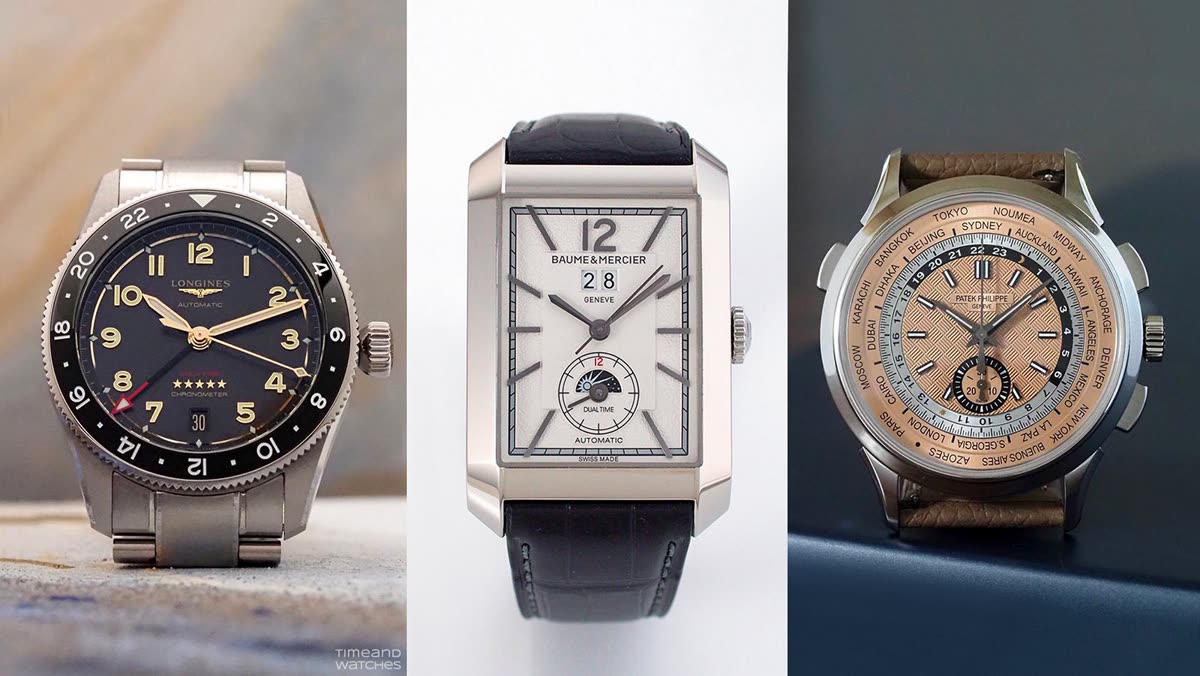
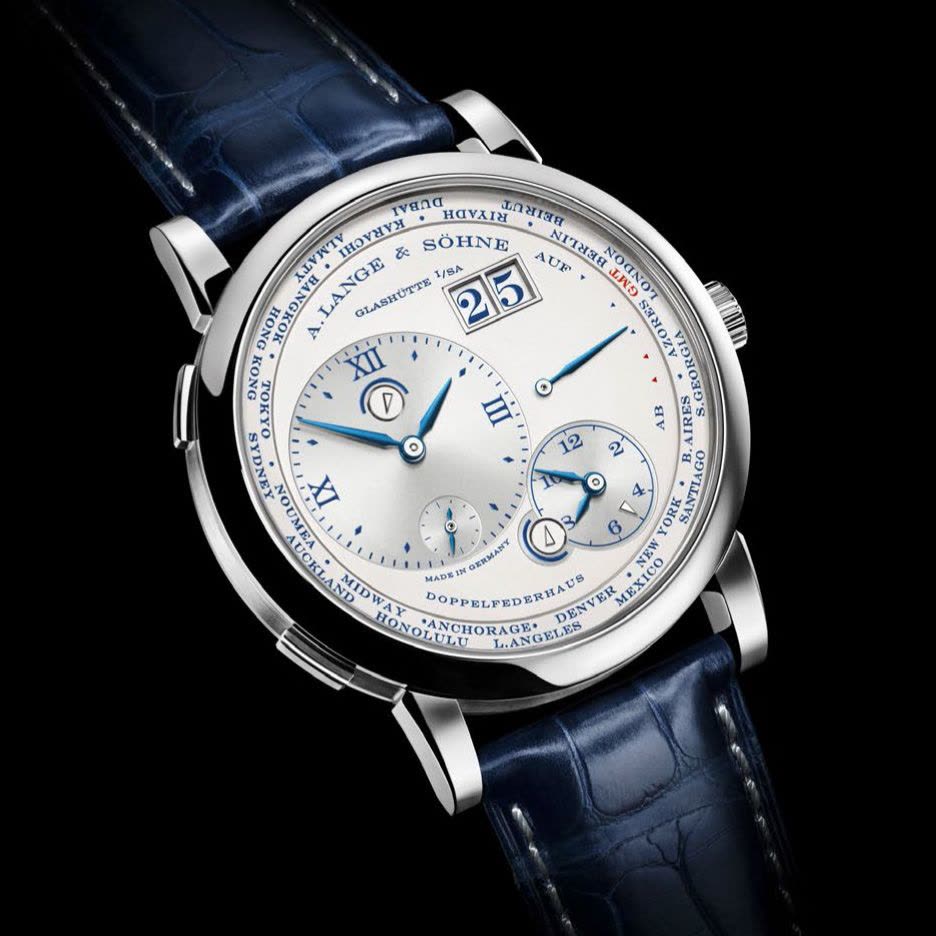
No confidently matched photograph of this subject has been found yet. These photographs show a closely related record, and are not examples of the type described on this page.
Sources & references
- History of the Duometre collection, Jaeger-LeCoultre, retrieved 2026-10-30 (paraphrased; text © the publisher)
- Jaeger-LeCoultre Duomètre Dual-Wing System Explained, The Hour Markers, retrieved 2026-10-30 (paraphrased; text © the publisher)
- de Carle, D., Watch and Clock Encyclopedia
- Britten, F. J., Old Clocks and Watches and Their Makers
- Horological Journal (British Horological Institute), technical articles
Where sources disagree, the disagreement is stated rather than resolved silently.