
Clock type · Domestic
Renaissance Table Clocks
Partially verifiedEarly portable horizontal clocks, typically drum-shaped or square, intended to sit on a table and be viewed from above.
Movement & mechanism
- Spring-driven with fusee and gut line (later chain)
- Verge escapement with balance wheel
- Horizontal dial, often with a single hand
Identification
- Drum-shaped (tambour) or square gilt-brass case
- Pierced and engraved covers
- Dial on the top surface
Terminology
- Tambour
- Horizontal clock
- Gilt brass
Known variations
- Square, round and hexagonal forms
Collecting notes
Condition and originality are paramount. For technical clocks like regulators or atmospheric clocks, the completeness of the original mechanism is more important than case condition. For decorative clocks (Boulle, Empire), the quality of the case craft is central.
Related photographs
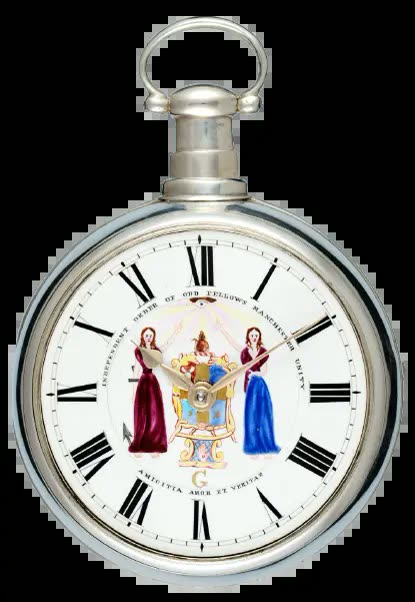
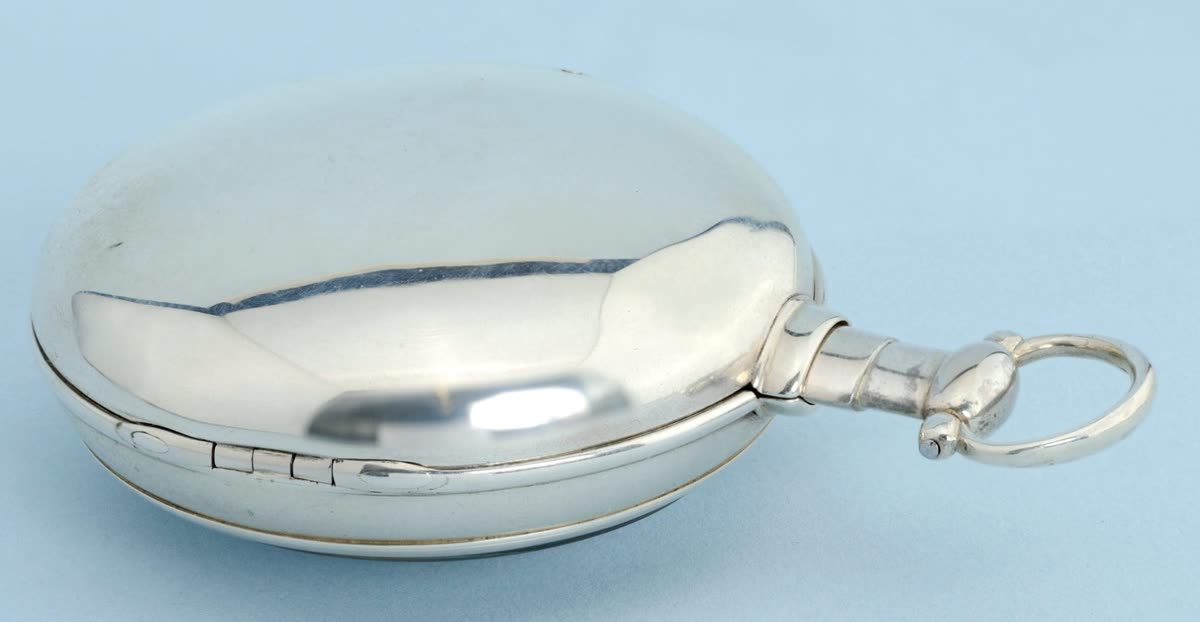
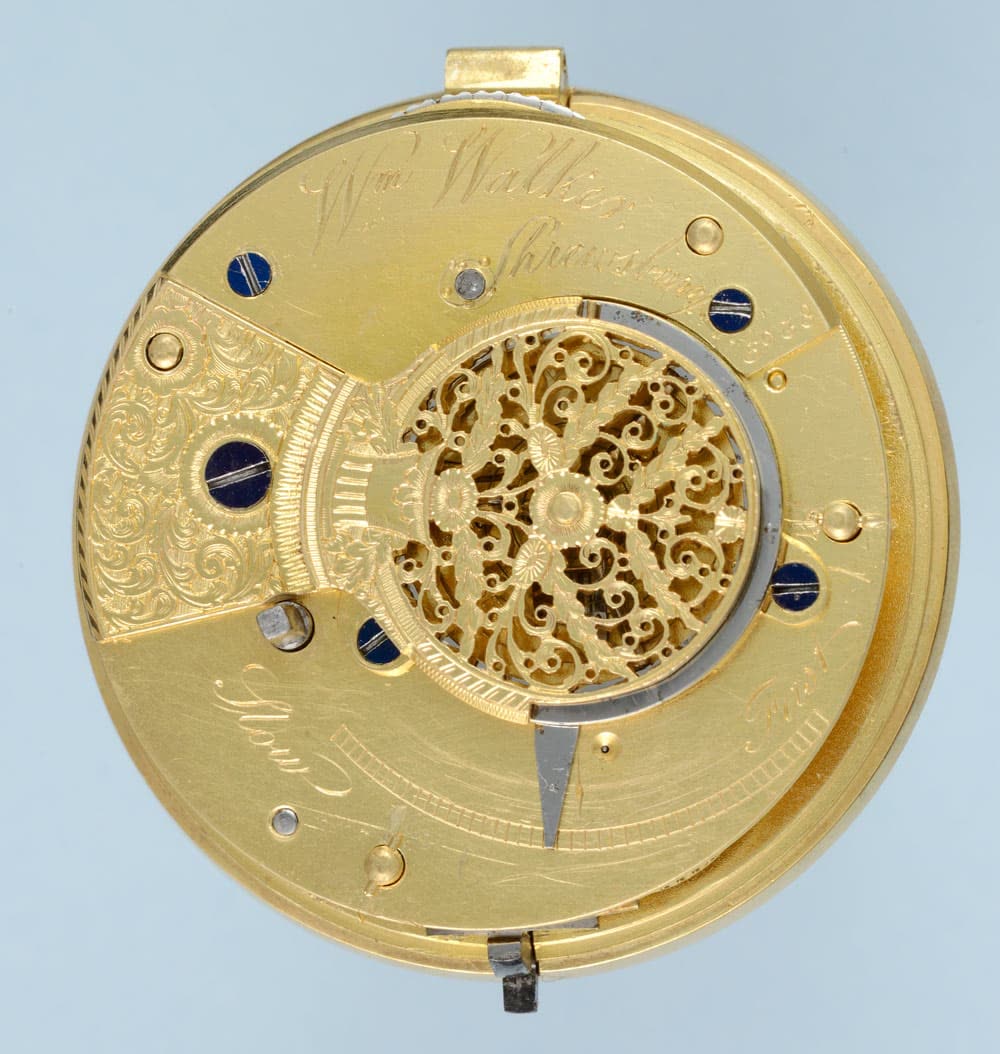
No confidently matched photograph of this subject has been found yet. These photographs show a closely related record, and are not examples of the type described on this page.
Sources & references
- Britten, F. J., Old Clocks and Watches and Their Makers
- Loomes, B., The Early Clockmakers of Great Britain
- Roberts, D., British Skeleton Clocks
- Museum catalogue records
Where sources disagree, the disagreement is stated rather than resolved silently.