
Clock type · Domestic
Rococo Clocks
Partially verifiedClocks featuring the ornate, asymmetrical, and naturalistic designs of the Rococo period.
Background
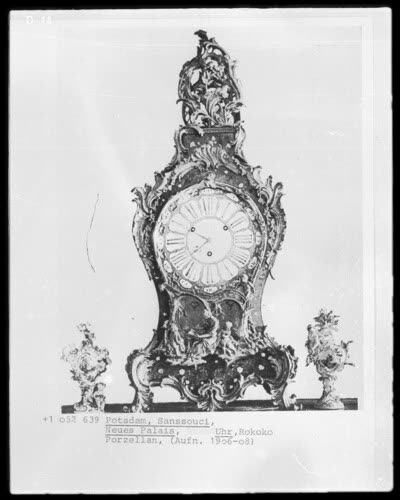
The Rococo style in clockmaking originated in Paris around 1730 and flourished through the reign of Louis XV. This period saw the development of the cartel clock, a unified organic sculptural conception designed to hang directly on a wall. While early examples often utilized wooden contributions from an ébéniste, these were eventually overshadowed by cases made entirely of gilt-bronze.
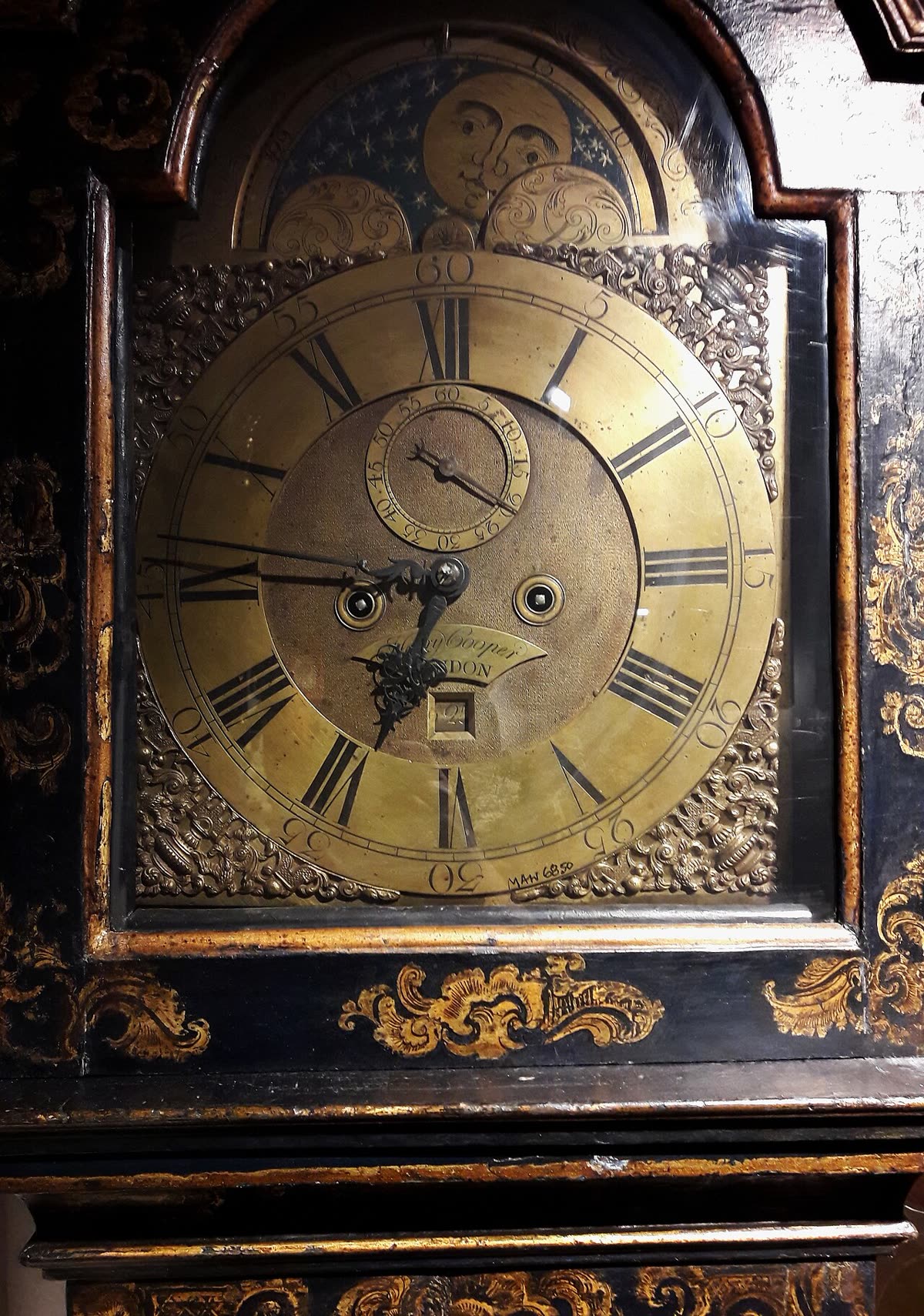
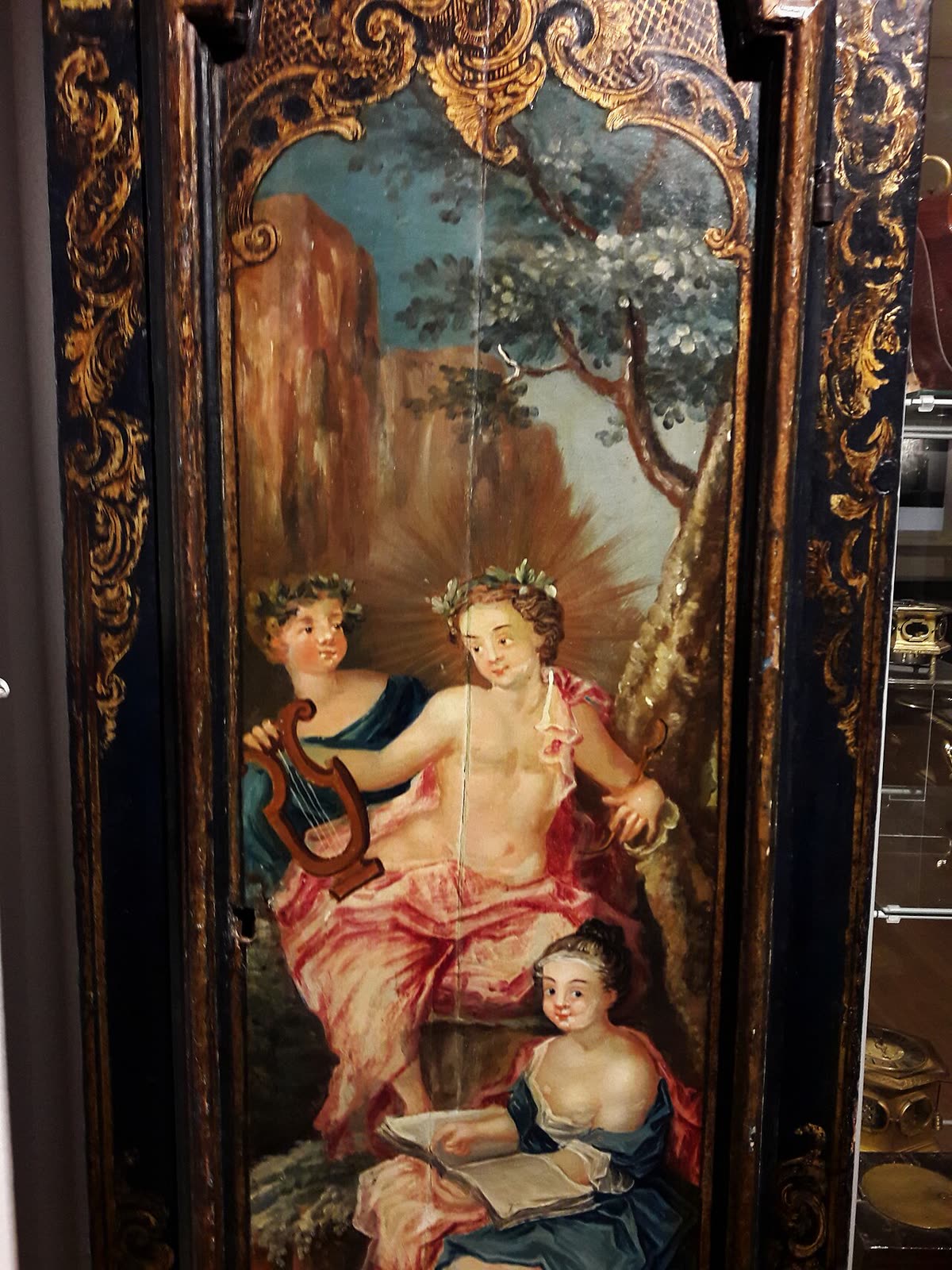
Rococo clocks were also designed as complex astronomical instruments, such as the example by Claude-Siméon Passemant housed in the petit appartement du roi at Versailles. The aesthetic moved away from the sober, ordered designs of the preceding era to embrace exuberant and decorative features under the influence of Madame de Pompadour. Production of these timepieces continued in provincial French cities and across the Continent, where they were also crafted in wood decorated with gold leaf.
Written from the sources listed below; each statement was checked against the cited text.
Recognising one
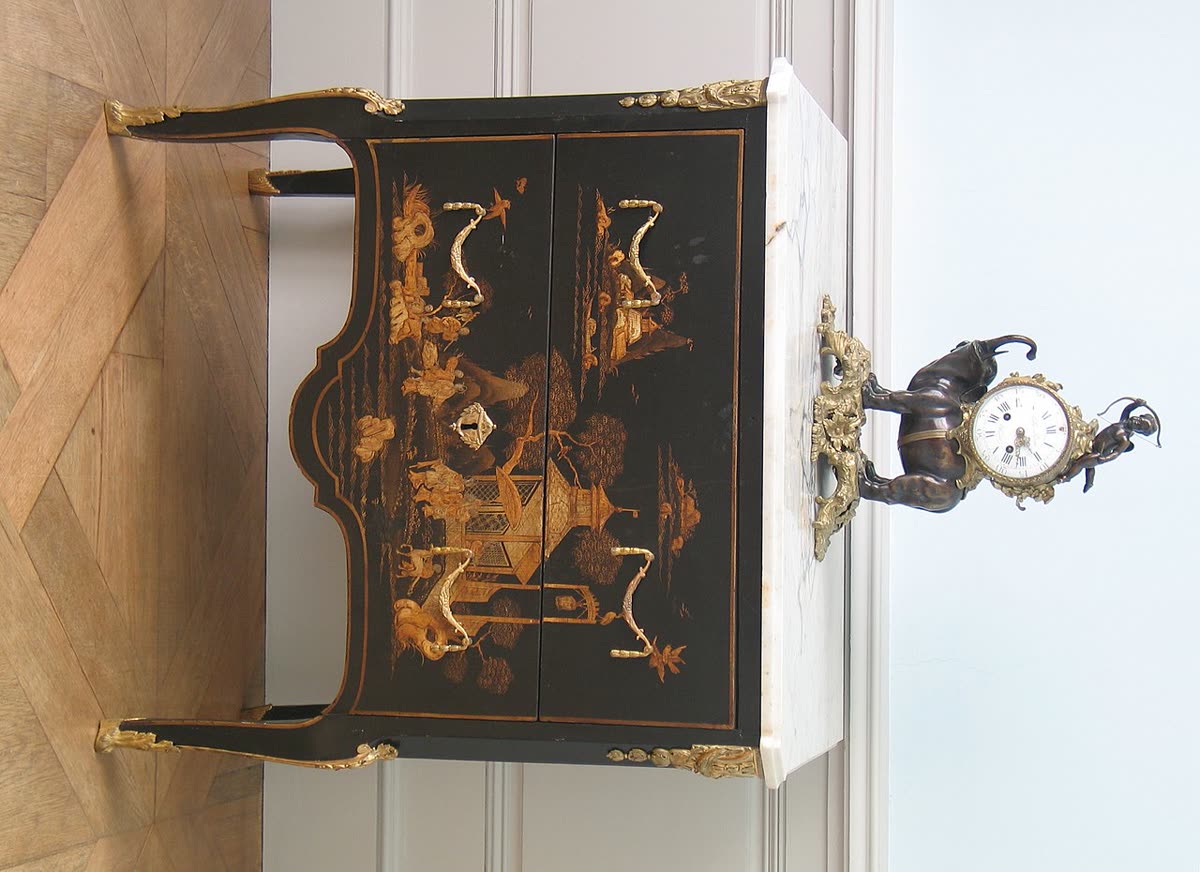
- Cartel clocks are typically recognized by their cartouche shape and the frequent use of fire-gilt bronze, commonly known as ormolu.
- Exceptional Rococo timepieces may feature intricate bronze work, such as globes depicting cities and landscapes of rocks and waterfalls.
Condition and survival
- Models from the mid-18th century were subject to revival or imitation during the Second Rococo movement beginning around 1830.
Movement & mechanism
- French or German spring-driven movements
- Cases featuring 'C' and 'S' scrolls, shells, and flowers
- Often in gilt bronze or carved wood
Identification
- Asymmetrical case design
- Abundance of floral and shell motifs
- Gilded finish
Terminology
- Rococo
- Louis XV style
- C-scroll
Known variations
- Cartel and mantel clock versions
Collecting notes
Condition and originality are paramount. For technical clocks like regulators or atmospheric clocks, the completeness of the original mechanism is more important than case condition. For decorative clocks (Boulle, Empire), the quality of the case craft is central.
Photographs
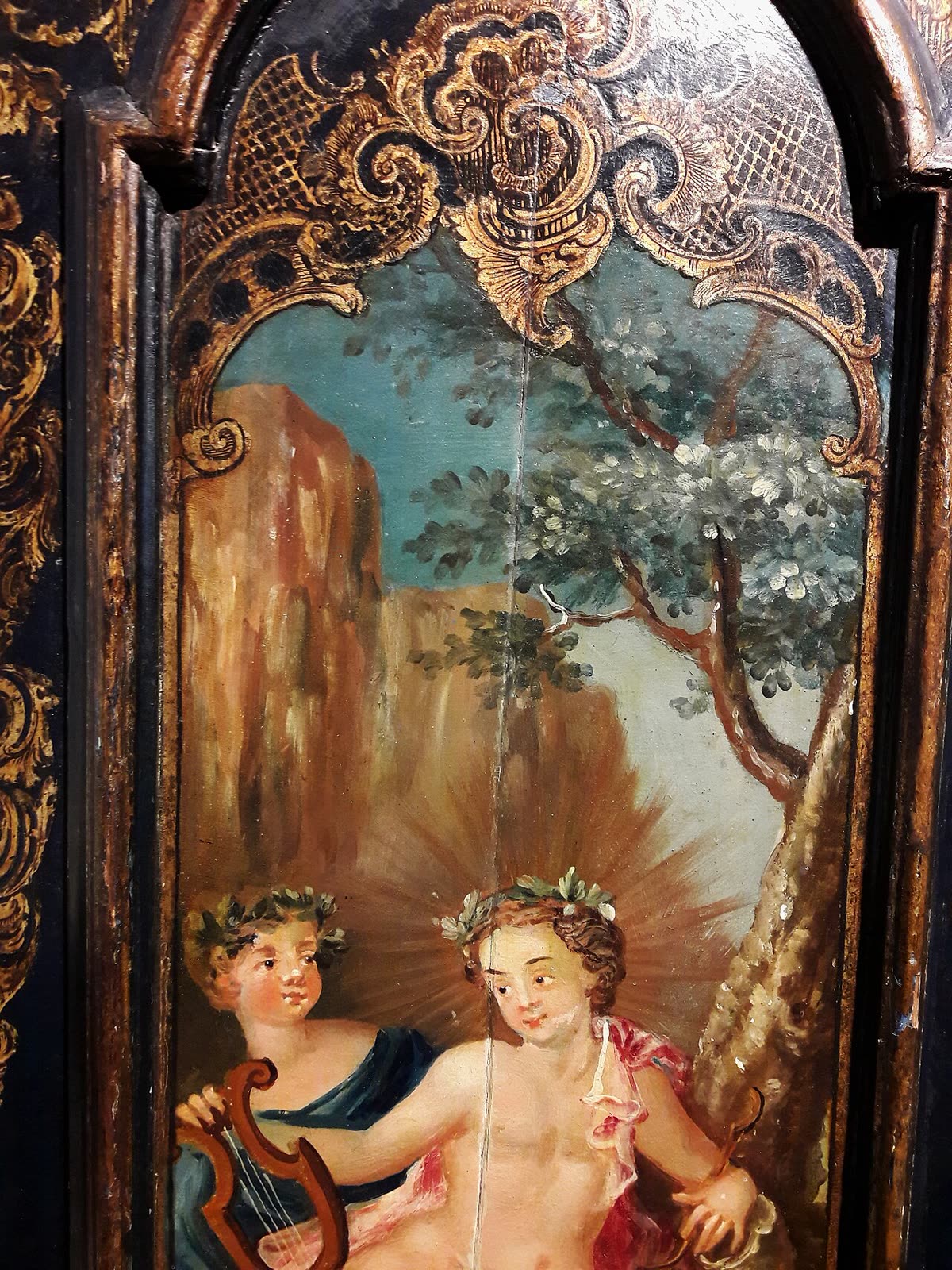
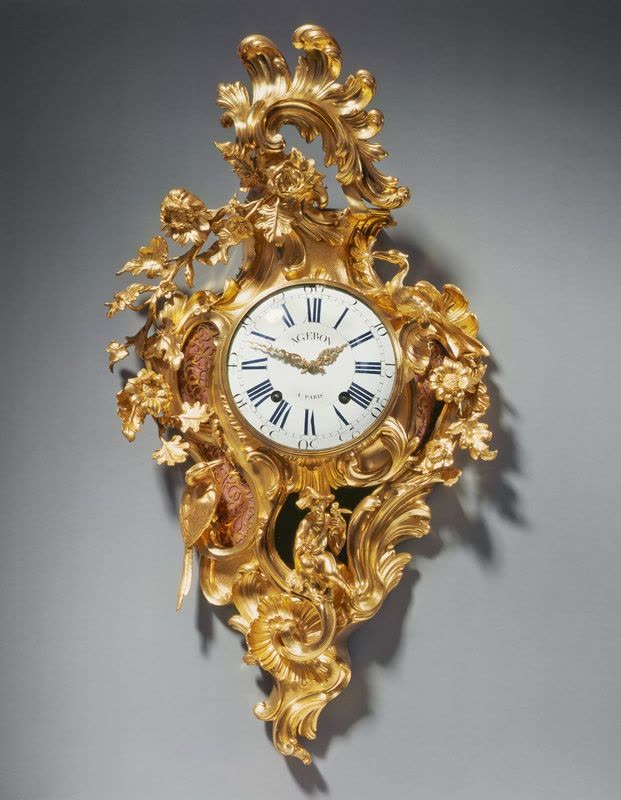
Photographs are illustrative examples of the type, not necessarily the exact object described. Verify details against the source file page.
Sources & references
- Cartel clock, Wikipedia (English), retrieved 2026-10-28 (text CC BY-SA 4.0)
- Passemant astronomical clock, Wikipedia (English), retrieved 2026-10-28 (text CC BY-SA 4.0)
- Louis XV style, Wikipedia (English), retrieved 2026-10-28 (text CC BY-SA 4.0)
- Britten, F. J., Old Clocks and Watches and Their Makers
- Museum catalogue records
Where sources disagree, the disagreement is stated rather than resolved silently.