
Clock type · Precision
Constant Force Regulators
Partially verifiedRegulators featuring a remontoire to ensure a constant force reaches the escapement.
Background
The gravity remontoire was invented by Jost Bürgi around 1595, initially featuring a weight that provided force to the timekeeping mechanism. Spring remontoires for clocks were developed later, notably by John Harrison, who applied the mechanism during the development of his marine chronometers.
By applying a constant impulse from the remontoire spring or weight, the escapement is protected from the uneven force of the mainspring or imperfections in the wheel train. Rewinding occurs at frequent, automatic intervals ranging from one second to an hour, which further aids accuracy by averaging out variations in the remontoire's own force.
Written from the sources listed below; each statement was checked against the cited text.
Recognising one
- Precision clocks with these mechanisms are identified by their use of either a gravity weight or a spring to power the escapement independently of the main train.
Where sources differ
- Period. This guide records: “c. 1750 – 1900”. The use of remontoires in clocks dates back to at least 1595 with the work of Jost Bürgi.
Movement & mechanism
- A small spring or weight (remontoire) is rewound by the main train
- The remontoire provides a constant impulse to the pendulum
- Isolates the escapement from variations in the main gear train
Identification
- Small secondary spring or weight visible near the escapement
- Jump-seconds or periodic rewinding motion
- Extreme precision and technical complexity
Terminology
- Remontoire
- Constant force
- Gravity remontoire
Known variations
- Spring and gravity remontoire versions
Collecting notes
Condition and originality are paramount. For technical clocks like regulators or atmospheric clocks, the completeness of the original mechanism is more important than case condition. For decorative clocks (Boulle, Empire), the quality of the case craft is central.
Photographs
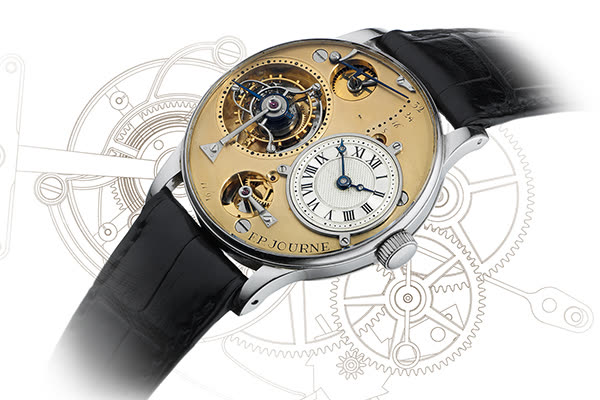
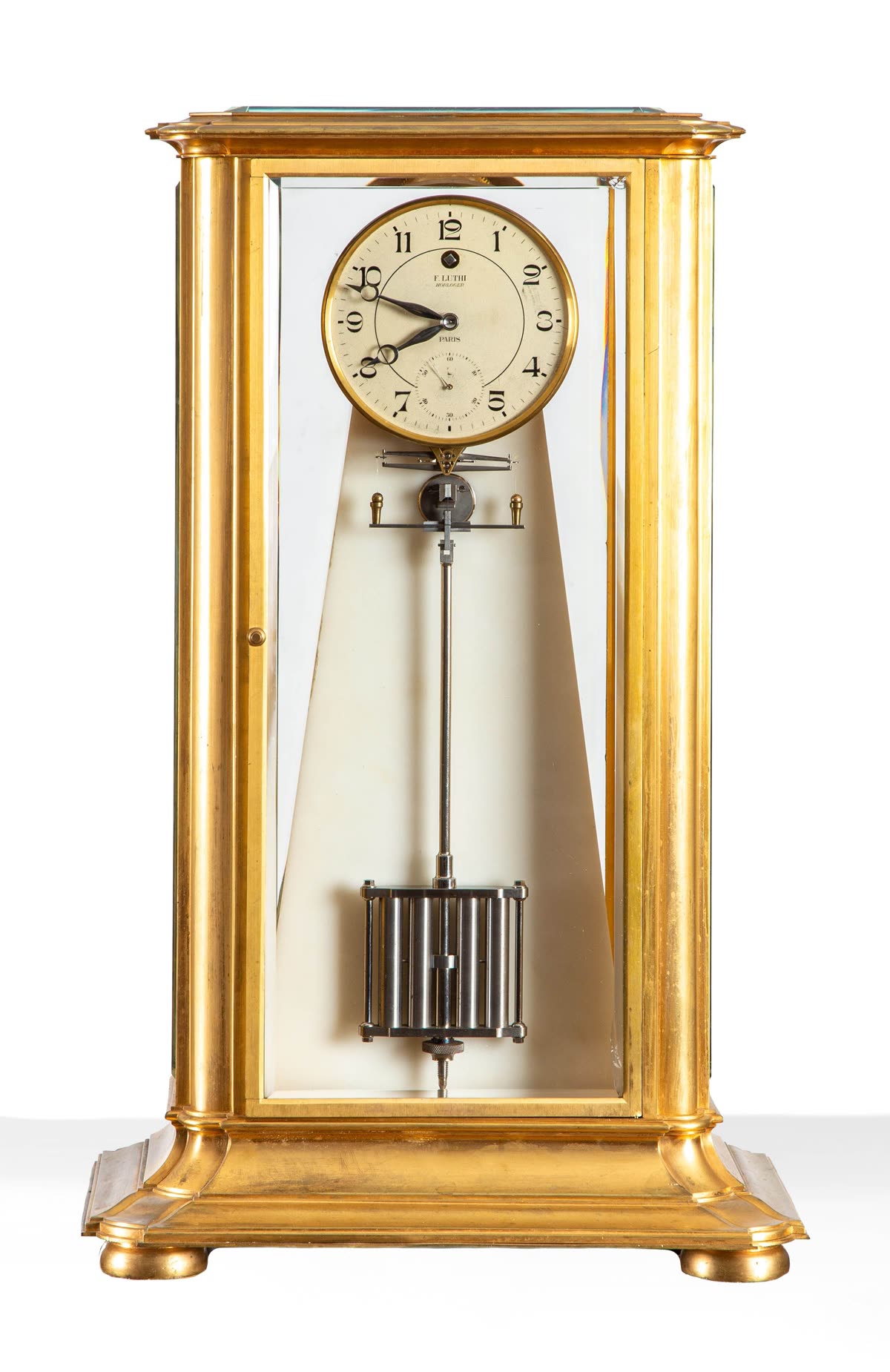
Photographs are illustrative examples of the type, not necessarily the exact object described. Verify details against the source file page.
Sources & references
- Remontoire, Wikipedia (English), retrieved 2026-10-28 (text CC BY-SA 4.0)
- Britten, F. J., Old Clocks and Watches and Their Makers
- Loomes, B., The Early Clockmakers of Great Britain
- Museum catalogue records
Where sources disagree, the disagreement is stated rather than resolved silently.