
Clock type · Domestic
Art Deco Clocks
Partially verifiedClocks reflecting the geometric, streamlined, and luxurious style of the Art Deco period.
Background
Art Deco clocks emerged as part of a broader decorative movement that evolved significantly between 1910 and the 1930s. Early designs drew from traditional craftsmanship and natural motifs, while later examples shifted toward a polished, streamlined aesthetic influenced by modern machinery. The construction of Art Deco objects utilized a range of modern materials, such as nickel or chrome-plated steel, aluminium, and bakelite.
Written from the sources listed below; each statement was checked against the cited text.
Recognising one
- The use of industrial materials like chrome-plated steel, aluminium, and bakelite is characteristic of pieces produced during the late 1920s and 1930s.
Movement & mechanism
- Modernist French or Swiss movements
- Cases in marble, chrome, glass, and exotic woods
- Bold geometric shapes and high-contrast materials
Identification
- Geometric forms (circles, squares, steps)
- High-contrast materials (black onyx and silver)
- Bold, stylized numerals
Terminology
- Streamline Moderne
- Geometric
- Machine Age
Known variations
- Desk, mantel, and 'mystery' variants
Collecting notes
Condition and originality are paramount. For technical clocks like regulators or atmospheric clocks, the completeness of the original mechanism is more important than case condition. For decorative clocks (Boulle, Empire), the quality of the case craft is central.
Photographs
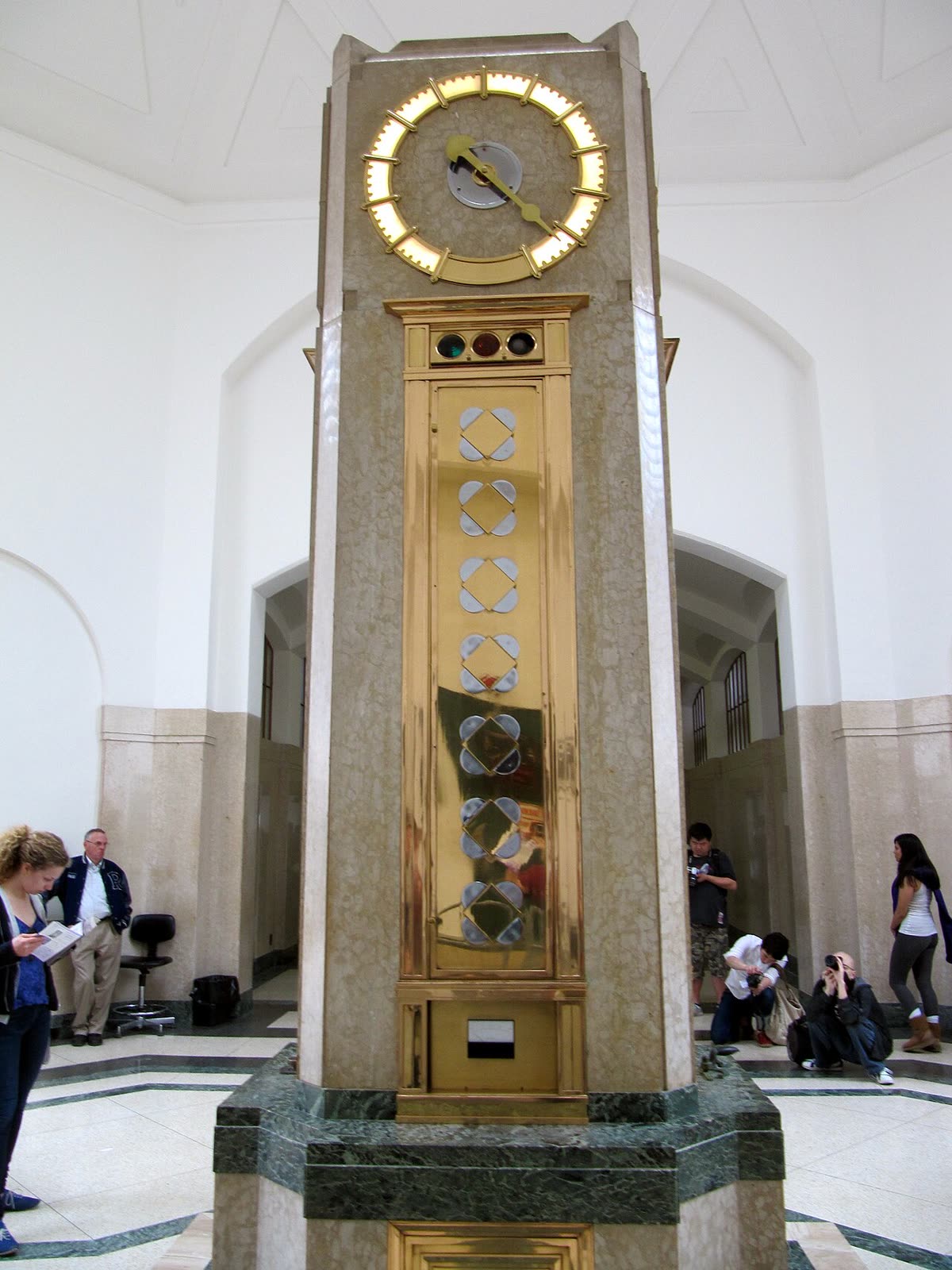
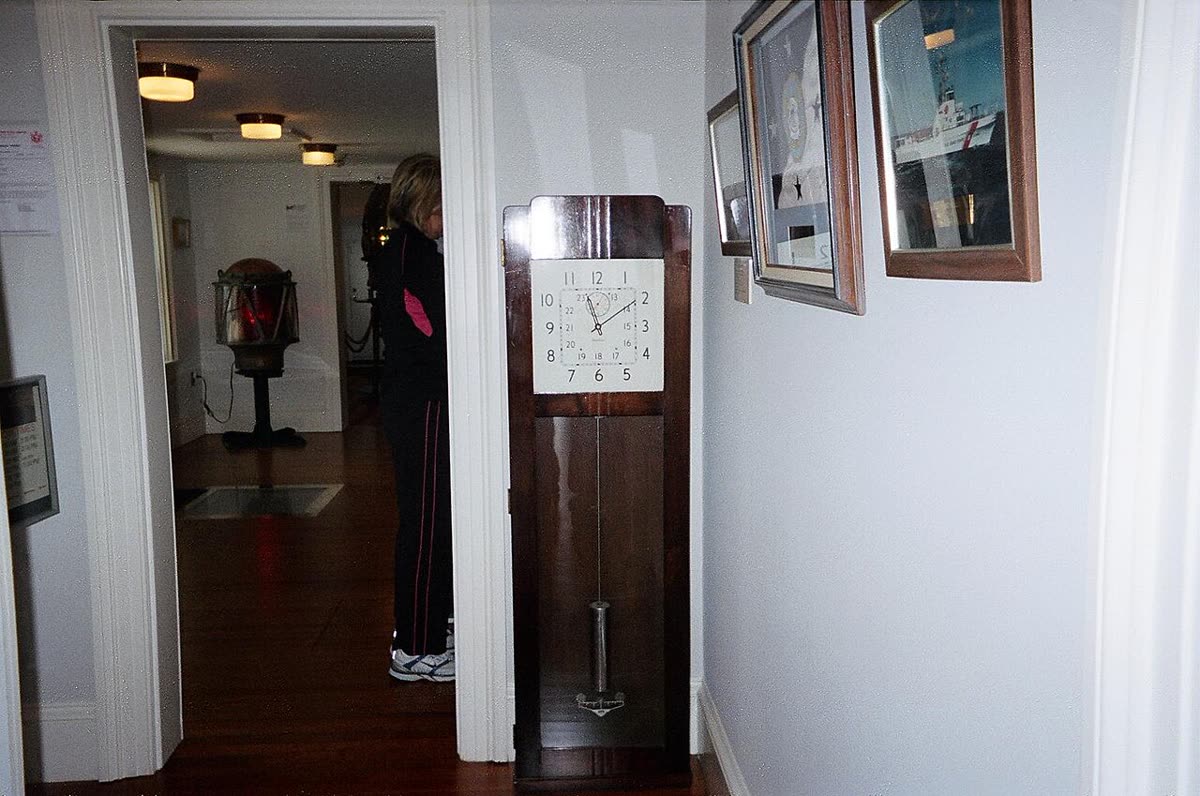
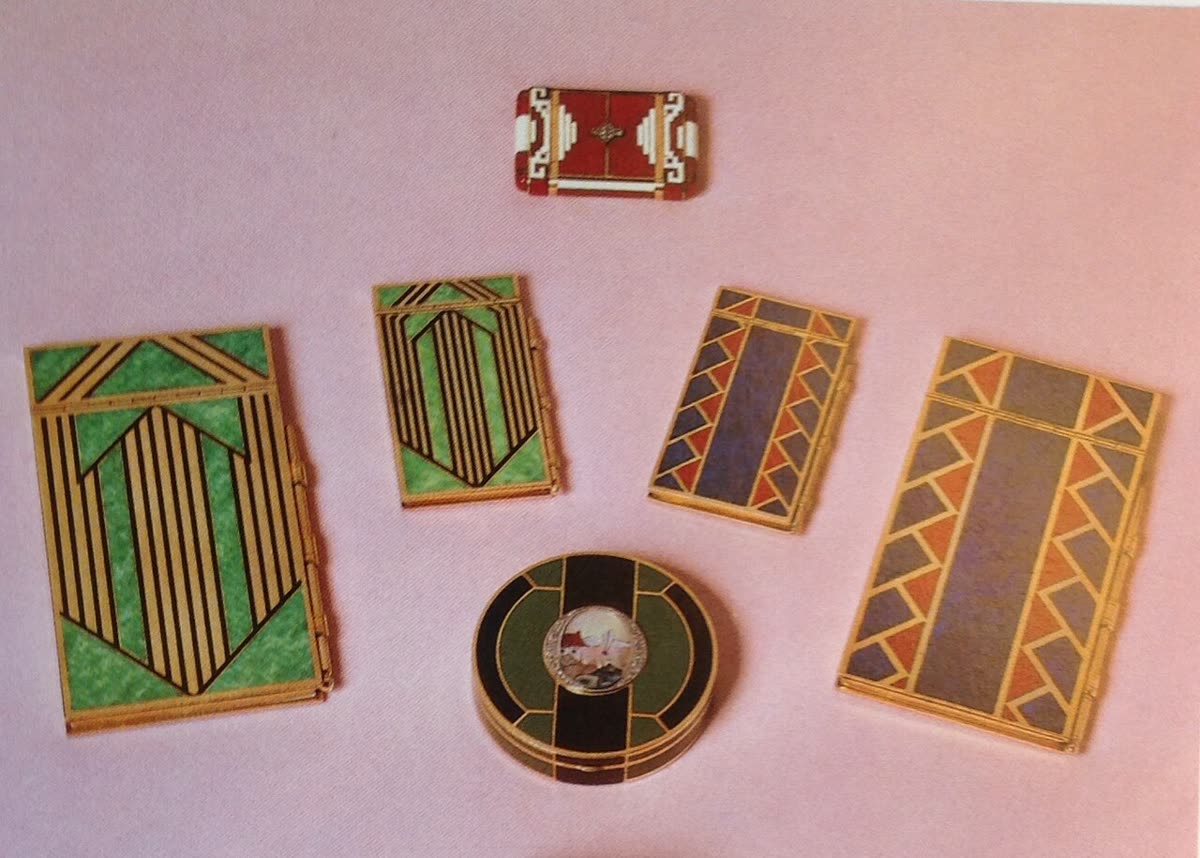
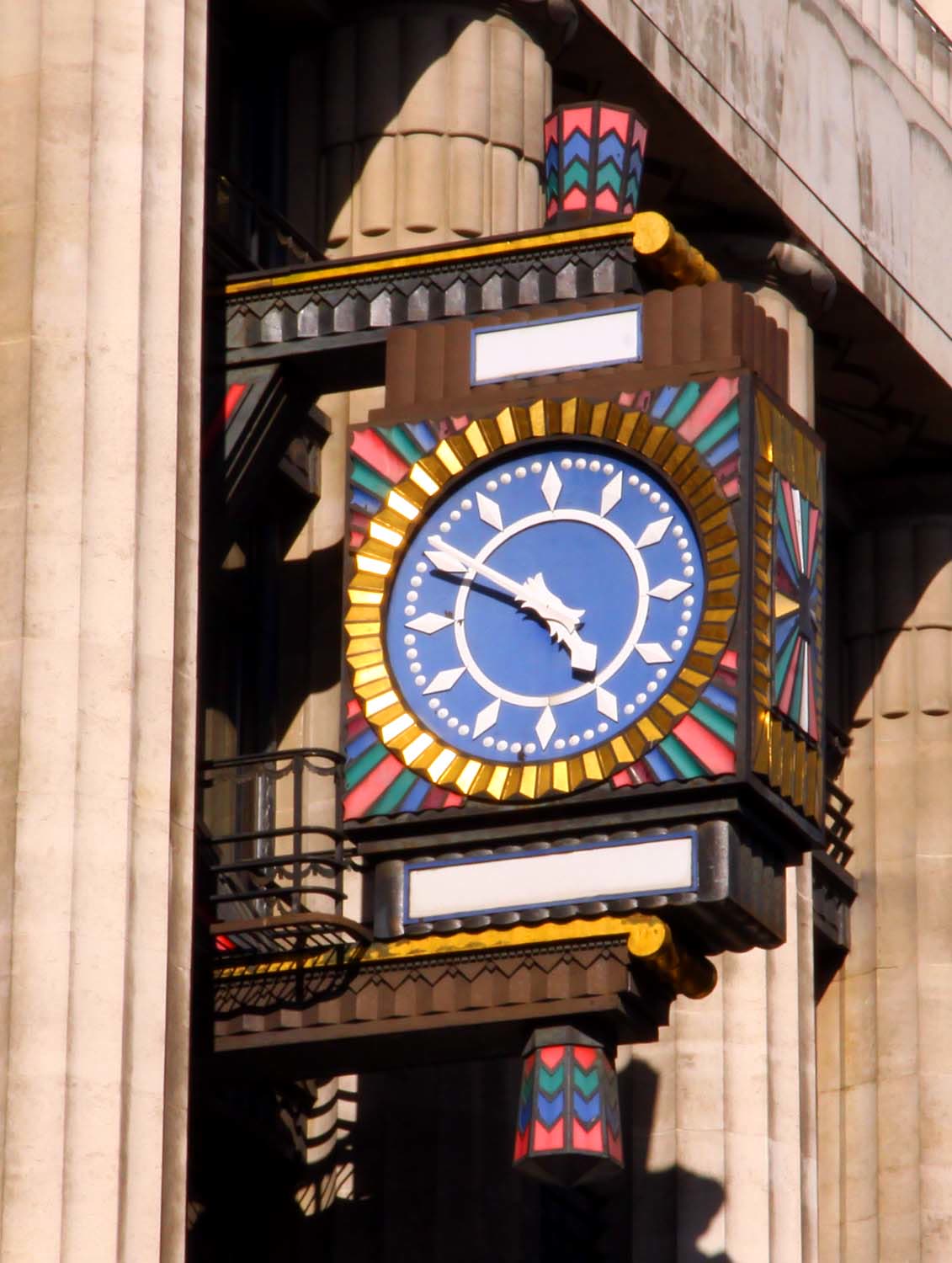
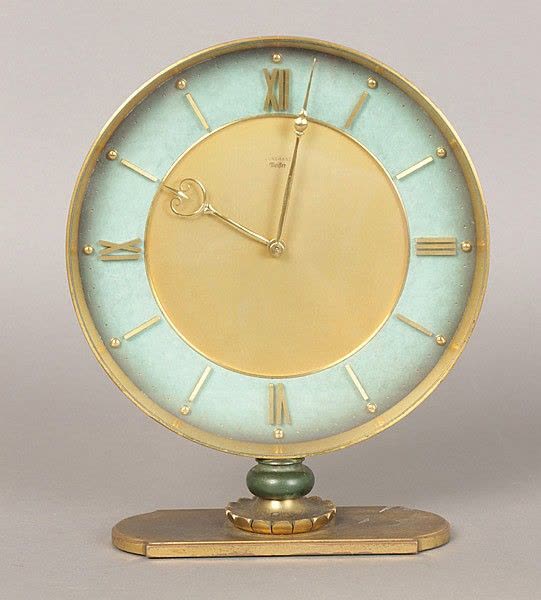
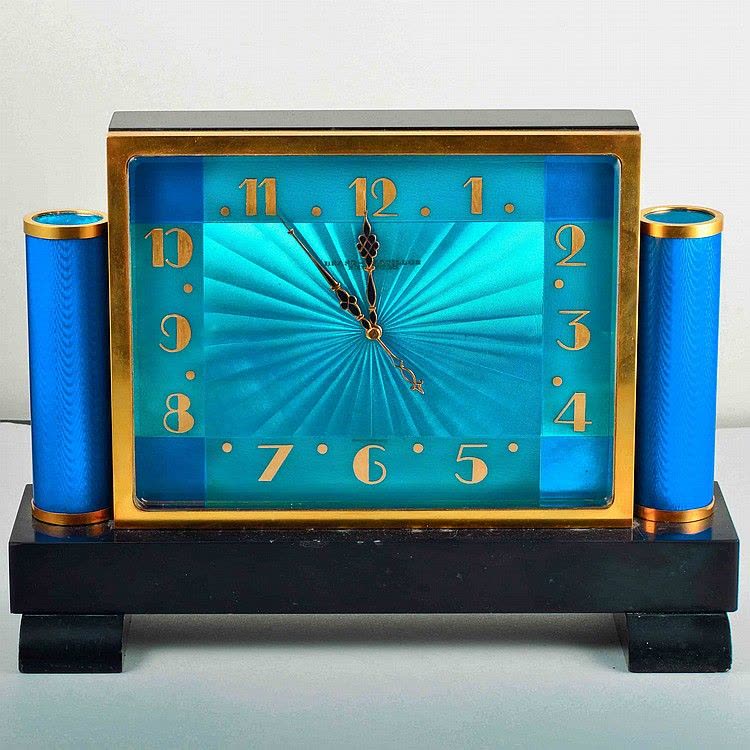
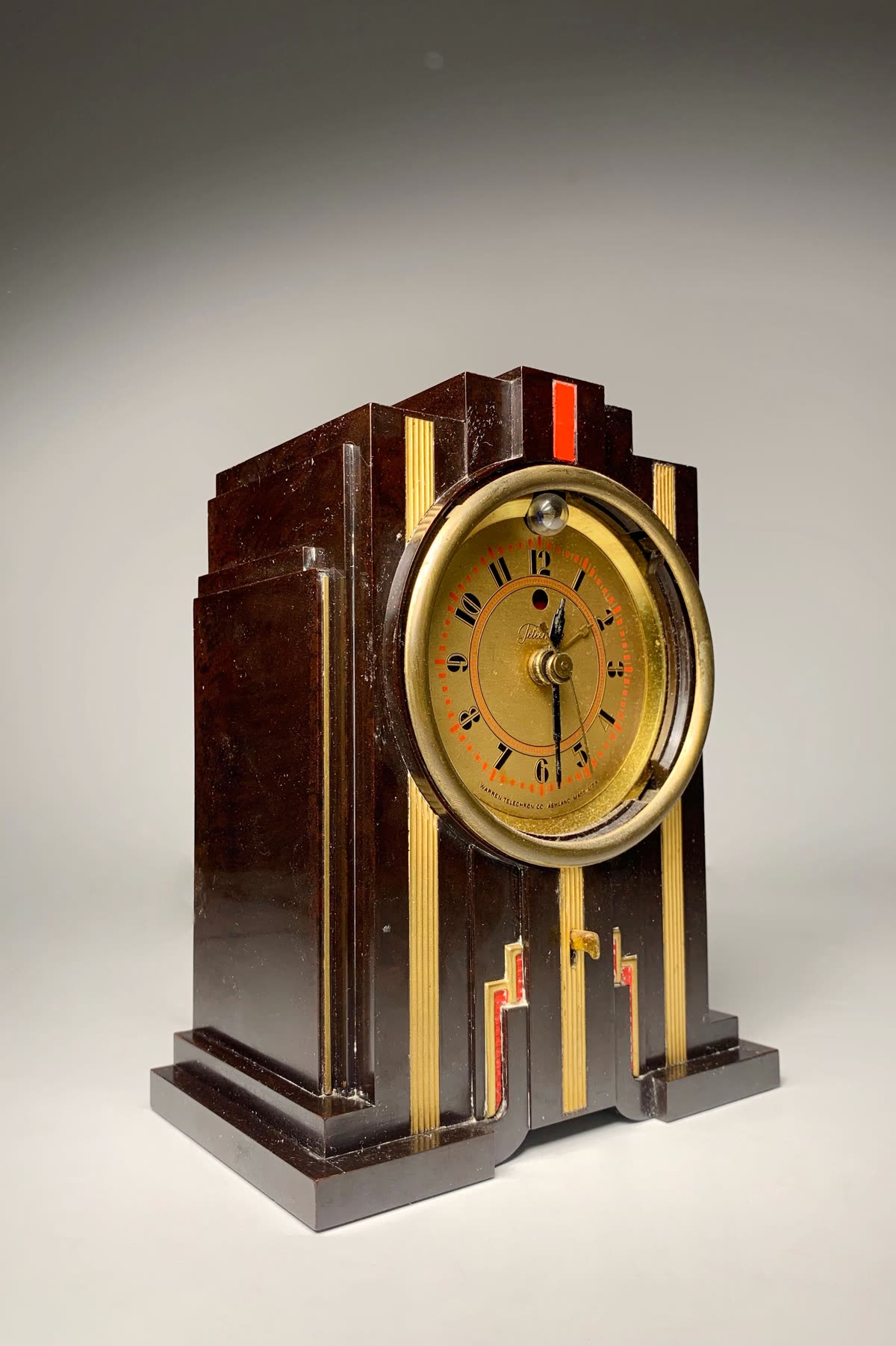
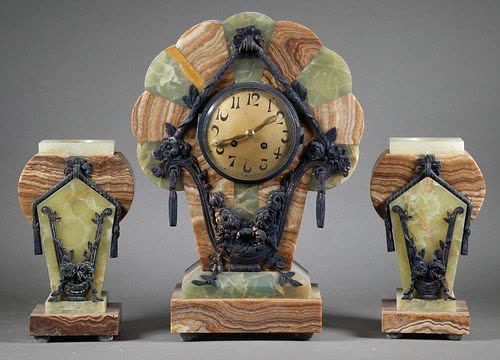
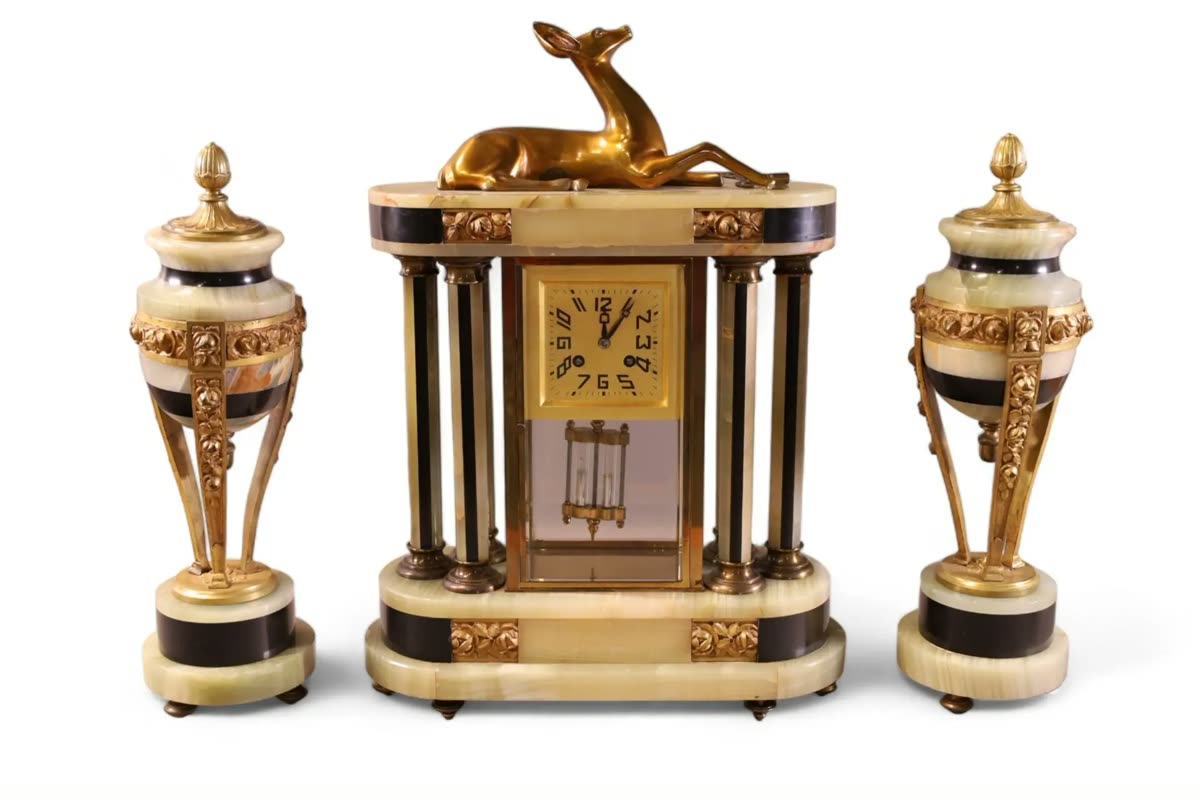
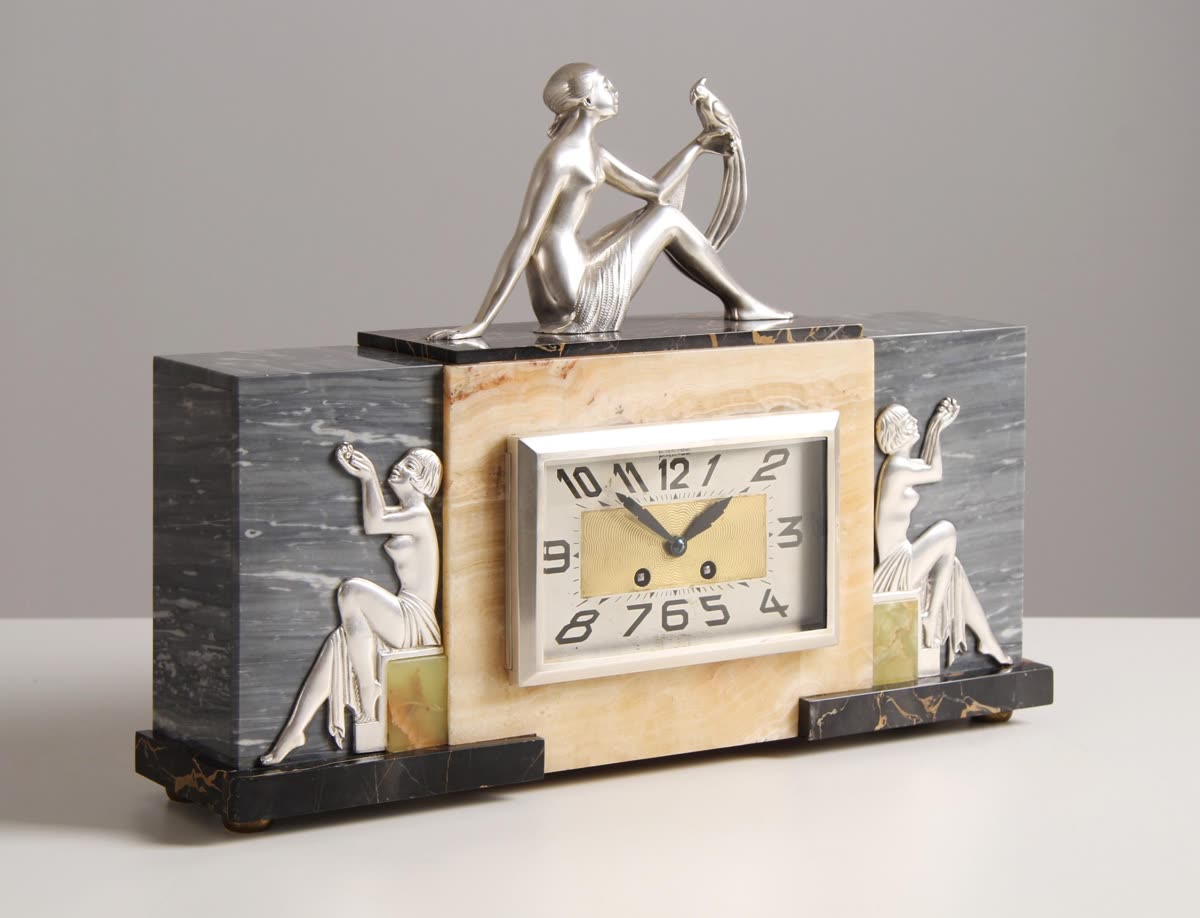
Photographs are illustrative examples of the type, not necessarily the exact object described. Verify details against the source file page.
Sources & references
- Art Deco, Wikipedia (English), retrieved 2026-10-28 (text CC BY-SA 4.0)
- Britten, F. J., Old Clocks and Watches and Their Makers
- Museum catalogue records
Where sources disagree, the disagreement is stated rather than resolved silently.